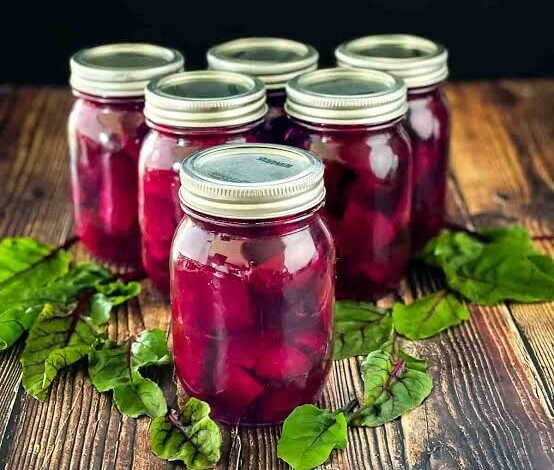
People around the globe absolutely cherish homemade pickled beets because they bring a perfect harmony of deep sweetness and sharp acidity to almost any meal imaginable. Unlike plain boiled beets which can sometimes feel overly earthy or bland to pickier eaters, the warm spiced brine infuses every single bite with balanced flavor. The delightful texture remains pleasantly tender yet firm enough to give a satisfying bite when added to fresh green salads, charcuterie boards, or simple weekday sandwiches. Home cooks love how reliable this classic recipe is, as a single afternoon spent in the kitchen can yield dozens of jars that keep safely inside a dark cellar or kitchen cabinet for up to a full year.
Preserving a large batch of pickled beets is a wonderful autumn activity that aligns beautifully with other traditional home preservation routines like canning beef stew, simmering broths, and storing root vegetables for winter storage. When the cooler weather arrives and farm stands overflow with bountiful harvests, spend a afternoon preparing canned foods to build your family emergency pantry while keeping long term grocery bills low. Having rows of ready to eat vegetables sitting on your shelf alongside heartier meals like canned beef stew saves precious time on busy weeknights when you need a bright side dish in seconds. Beyond practical convenience, the physical act of boiling, slicing, and processing whole vegetables brings a comforting sense of self reliance and joyful connection to traditional kitchen skills.
Even if you consider yourself a complete beginner who has never handled a glass mason jar or boiling water bath before, this step by step guide makes the whole process effortless and fun. Working with simple ingredients like pure water, natural vinegars, warming spices, and sweet sugar means there are no secret tricks required to achieve professional results. Bringing your family into the kitchen to help wash roots or pack spices into clean jars turns simple meal prep into lasting memories. Once you experience the deep pride that comes from listening to those jar lids snap shut tightly on your counter, you will want to make home canning a permanent part of your yearly culinary rhythm.
Ingredients You Will Need
To prepare a full batch of approximately six pint sized jars of canned pickled beets, gather the following ingredients:
-
Fresh whole red beets with tops removed: 7 pounds or 3.2 kilograms
-
White distilled vinegar with five percent acidity: 2 cups or 480 milliliters
-
Apple cider vinegar with five percent acidity: 1 cup or 240 milliliters
-
Pure water: 2 cups or 480 milliliters
-
Granulated white sugar: 1 and 1/2 cups or 300 grams
-
Pickling salt or non iodized coarse salt: 1 tablespoon or 15 grams
-
Whole cinnamon sticks: 2 large sticks broken in half
-
Whole cloves: 1 teaspoon or 3 grams
-
Whole allspice berries: 1 teaspoon or 3 grams
-
Fresh yellow onion sliced thin: 1 medium onion (optional for extra savory depth)
Step by Step Method
Step 1: Preparing the Fresh Beets
Start by washing your fresh beets thoroughly under cold running water to remove all soil and garden dirt. Leave about one inch of the green stem attached to the top of each beet, and leave the long taproot at the bottom completely intact. Leaving the skin, stem, and root untouched during the initial boil is crucial because it stops the deep red juice from bleeding out into your cooking water, preserving rich flavor and dark color.
Step 2: Boiling the Beets until Tender
Place the scrubbed whole beets into a large stainless steel stockpot and cover them completely with cold water, ensuring the water level sits at least two inches above the vegetables. Bring the water to a rolling boil over high heat, then reduce the heat to medium low, cover the pot with a lid, and simmer gently for twenty five to thirty five minutes. You will know they are properly cooked when a sharp knife pierces the center of a large beet easily without forcing it.
Step 3: Peeling and Slicing the Cooked Vegetables
Drain the hot water carefully from the pot and transfer the cooked beets into a large bowl filled with ice water to stop the cooking process quickly. Once the beets are cool enough to handle safely, slip the skins off using your fingers or a paper towel, as the skins should slide away effortlessly. Cut off the stem tops and taproots with a sharp knife, then slice the peeled beets into uniform round slices about one quarter inch thick, or cut them into neat bite sized wedges.
Step 4: Preparing Your Pickling Brine
In a clean medium stainless steel saucepan, combine two cups of white distilled vinegar, one cup of apple cider vinegar, two cups of pure water, one and a half cups of granulated sugar, and one tablespoon of pickling salt. Tie the whole cinnamon sticks, whole cloves, and allspice berries inside a small piece of cheesecloth to make a spice bag, and drop it directly into the liquid. Bring the liquid to a full boil over medium high heat, stirring continuously until the sugar and salt dissolve completely, then lower the heat and let it simmer for ten minutes to infuse the warm spices.
Step 5: Combining Vegetables and Hot Liquid
Add your sliced beets and thin yellow onion slices directly into the simmering vinegar brine. Allow the vegetables to heat through completely in the hot liquid for about five minutes over low heat, ensuring everything reaches a high temperature before packing into glass jars.
Step 6: Packing the Jars
Wash six pint sized mason jars in warm soapy water and keep them warm in a pot of hot water so they do not crack when filled with hot liquid. Use a slotted spoon to scoop the warm beet slices and onion into your warm jars, leaving roughly one half inch of empty space at the top of each jar, which is known as headspace. Pour the hot liquid brine over the packed beets using a wide mouth funnel, maintaining that strict one half inch headspace at the top.
Step 7: Removing Air Bubbles and Sealing
Slide a clean plastic bubble remover tool or a smooth wooden chopstick down along the inside walls of each jar to release any trapped air bubbles. Wipe the top glass rims of every jar thoroughly with a clean, damp paper towel to remove any sticky residue that might prevent a proper seal. Place a clean flat metal lid onto each jar rim, screw the metal band down until it is fingertip tight, and avoid overtightening the bands.
Step 8: Water Bath Processing
Place your filled jars carefully into a boiling water bath canner equipped with a bottom wire rack, making sure the jars do not touch each other and are covered by at least one to two inches of boiling water. Cover the canner with its lid, bring the water back to a full rolling boil, and process the pint jars for thirty minutes. Once thirty minutes pass, turn off the heat, remove the canner lid, and let the jars rest quietly inside the hot water for five minutes before removing them with a jar lifter to cool untouched on a clean towel for twenty four hours.
Why This Recipe Is Special
This homemade pickled beet recipe stands out because it strikes an ideal balance between healthy real food nutrition and deep heritage flavor. Root vegetables like red beets are widely celebrated by health experts for containing high amounts of natural nitrates, which help promote healthy blood vessel function and support optimal blood pressure levels throughout the body. They are also packed with dietary fiber, folate, potassium, and powerful betalain antioxidants, which give the roots their dark ruby hue while helping combat internal oxidative stress.
When you preserve whole beets in a simple vinegar brine, you eliminate the need for heavy chemical additives, high fructose syrups, or artificial coloring agents commonly used in commercial factories. The addition of real whole spices like cinnamon, cloves, and allspice introduces natural antimicrobial properties alongside complex aromatic flavors that artificial substitutes simply cannot recreate. The natural acidity from distilled and apple cider vinegar makes this recipe completely safe for high acid water bath canning, granting long shelf life without needing expensive pressure cookers.
Furthermore, pickled beets represent an unbelievably versatile food that enhances your daily nutritional intake without adding unnecessary calorie burdens. Eating a few slices alongside your afternoon meal stimulates natural stomach acid production and supports efficient digestive health thanks to the natural vinegars. It offers a nutrient dense, low fat way to bring bold color and vibrant taste to everyday home cooking.
Extra Tips for Better Taste
-
Use smaller to medium sized beets rather than oversized ones because smaller roots tend to be much sweeter, less woody, and feature a remarkably smooth texture.
-
Choose apple cider vinegar alongside white vinegar to bring a subtle fruity roundness that mellows out the sharp bite of pure distilled vinegar.
-
Roast your beets in a foil pouch inside a four hundred degree oven instead of boiling them if you want an even deeper, caramelized sugar flavor before pickling.
-
Sprinkle a few whole mustard seeds or black peppercorns directly into the bottom of each clean jar for a tiny hint of spicy warmth.
-
Always allow your sealed jars to rest undisturbed in a cool, dark place for at least three to four weeks before opening the first one so the brine fully penetrates the root centers.
-
Try substituting light brown sugar for half of the white sugar to introduce a rich, subtle caramel note to your pickling liquid.
-
Keep the spice bag intact rather than dropping loose spices into the jars so your final brine stays crystal clear and visually stunning.
Final Thoughts
Making your own batch of canned pickled beets is a deeply rewarding kitchen project that fills your pantry shelves with colorful, wholesome goodness for the whole year ahead. By following these simple steps, you take full control of your family food supply while enjoying the timeless art of home food preservation. There is nothing quite like opening a jar of dark red beets that you prepared with your own hands, knowing exactly what natural ingredients went into making it. Gather your fresh roots, light up your stove, and enjoy the wonderful journey of crafting delicious homemade preserves today.
Nutrition Details
Here is the estimated nutrition information for a single serving of canned pickled beets, based on approximately one quarter cup per serving:
| Nutrient | Amount Per Serving |
| Calories | 45 kcal |
| Total Fat | 0 grams |
| Saturated Fat | 0 grams |
| Trans Fat | 0 grams |
| Cholesterol | 0 milligrams |
| Sodium | 180 milligrams |
| Total Carbohydrate | 11 grams |
| Dietary Fiber | 1 gram |
| Total Sugars | 9 grams |
| Protein | 1 gram |
| Calcium | 15 milligrams |
| Iron | 0.5 milligrams |
| Potassium | 160 milligrams |
Disclaimer
Please keep in mind that individual nutritional needs and health responses differ from person to person depending on overall lifestyle and existing health conditions. The nutritional estimates provided in this table are calculated using standard raw ingredient databases and may vary depending on the specific vegetable sizes or exact ingredient brands used in your kitchen. If you follow a strict sodium restricted diet, have kidney concerns, or live with specific metabolic conditions, please consult a qualified physician or certified dietitian before adding new preserved foods to your daily meal plan.