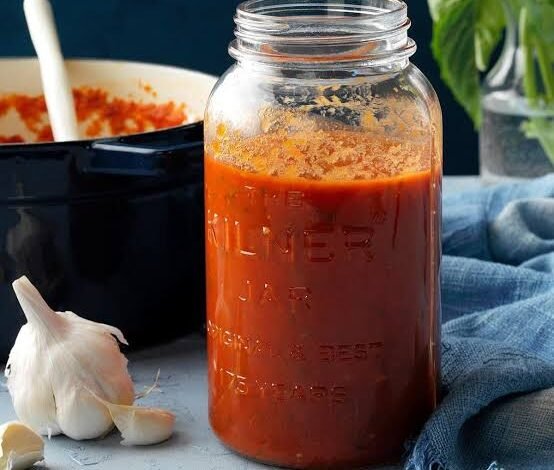
Homemade marinara sauce is one of the most essential and heartwarming recipes that every kitchen lover should master. At its core, this wonderful dish is a classic Italian tomato sauce made by slowly simmering canned or fresh tomatoes alongside aromatic garlic, fragrant onion, sweet basil, and rich olive oil. Unlike heavy meat sauces or store bought jars filled with artificial flavorings, this basic sauce focuses on simple high quality ingredients that shine brightly together. When you make this recipe at home, you transform humble pantry staples into a silky, savory creation that fills your kitchen with an undeniable homemade charm. It serves as a versatile foundation for countless meals, effortlessly coating warm pasta, dressing crisp pizzas, or adding extra flavor to baked vegetables.
People across the world fall completely in love with homemade marinara sauce because its flavor is far superior to anything you can purchase in a grocery store jar. Commercial sauces often rely heavily on excessive white sugar, high amounts of sodium, and synthetic preservatives to extend shelf life, which masks the clean natural taste of ripe tomatoes. By contrast, a fresh pan of homemade sauce offers a vibrant balance of natural sweetness, subtle acidity, and savory herbal depth that tastes incredibly fresh. The texture can easily be customized to suit your exact personal preference, whether you prefer a thick chunky style or a silky smooth finish for dipping bread. It is a true crowd pleaser that brings immense comfort to eaters of all ages without requiring fancy culinary tools or expensive specialty ingredients.
Preparing a big batch of this marinara sauce provides a wonderful sense of emotional warmth, bringing people together over honest, delicious food. There is something deeply satisfying about watching red tomatoes simmer gently on your stove while fragrant steam wafts through your living space on a chilly evening. Making this sauce at home is also a fabulous fitness and health choice, as it gives you complete control over every single ingredient entering your body. You can easily adjust the salt levels, eliminate unnecessary sugars, and use extra virgin olive oil packed with healthy fats that support heart wellness. Whether you are cooking a romantic weekend dinner for someone special or prepping nutritious meals for a busy work week ahead, this recipe offers a rewarding experience that feeds both body and soul.
Even if you consider yourself a total beginner with zero cooking experience, this easy guide will give you complete confidence in the kitchen. Learning to craft a rich tomato sauce from scratch empowers you to rely less on processed convenience foods while building fundamental cooking skills. The entire process requires minimal active prep work, allowing the slow gentle heat of your stovetop to do most of the heavy lifting. You can make a double batch on a quiet Sunday afternoon and store it in your freezer for quick, healthy weeknight dinners whenever time is short. By the time your sauce finishes simmering, you will feel proud of the wholesome delicious dish you created right on your own stove.
Ingredients You Will Need
To prepare this rich homemade marinara sauce, gather the following ingredients:
-
Whole peeled San Marzano tomatoes: 2 cans of 28 ounces each or 1600 grams total
-
Extra virgin olive oil: 1/4 cup or 60 milliliters
-
Yellow onion finely diced: 1 medium onion or 150 grams
-
Garlic cloves minced: 5 large cloves or 20 grams
-
Tomato paste: 2 tablespoons or 30 grams
-
Dried oregano: 1 teaspoon or 2 grams
-
Fresh basil leaves torn: 1/2 cup or 15 grams
-
Sea salt: 1 teaspoon or 6 grams
-
Black pepper freshly ground: 1/2 teaspoon or 1 gram
-
Red pepper flakes optional for mild heat: 1/4 teaspoon or 0.5 grams
-
Granulated sugar optional to balance acidity: 1/2 teaspoon or 2 grams
Step by Step Method
Step 1: Crush the Tomatoes
Open your cans of whole peeled tomatoes and pour them into a large mixing bowl. Use your clean hands or a potato masher to break the whole tomatoes down into small pieces. If you like a rustic texture, leave some small chunks intact, but if you prefer a smoother sauce, crush them more thoroughly. Set the bowl aside for a few minutes while you begin heating your cooking pot.
Step 2: Sauté the Aromatics
Place a large heavy bottomed pot or Dutch oven over medium heat. Pour in one quarter cup of extra virgin olive oil and let it warm up for about one minute. Add your finely diced yellow onion to the pot and cook for five to six minutes, stirring occasionally with a wooden spoon until the onion becomes soft and translucent. Add your minced garlic and optional red pepper flakes, then cook for just one additional minute until your kitchen smells wonderfully fragrant. Be careful not to let the garlic brown or burn, as burnt garlic turns bitter.
Step 3: Cook the Tomato Paste
Clear a small space in the center of your pot and add two tablespoons of tomato paste directly onto the hot surface. Stir the tomato paste into the onions and garlic for about two minutes. Cooking the paste briefly helps caramelize its natural sugars, which deepens the overall flavor and gives your final sauce a rich dark red color.
Step 4: Combine and Simmer
Pour your crushed tomatoes along with all their juices into the pot with the sautéed onions and garlic. Add one teaspoon of dried oregano, one teaspoon of sea salt, half a teaspoon of black pepper, and optional granulated sugar if your tomatoes taste particularly tart. Stir everything together thoroughly until well combined. Turn the heat up to medium high just until the mixture begins to bubble gently.
Step 5: Low and Slow Cooking
Once the sauce reaches a soft bubble, turn your stove burner down to low heat so the sauce gently simmers. Cover the pot loosely with a lid, leaving a small gap for steam to escape. Let the sauce cook uncovered or partially covered for thirty to forty minutes, stirring every ten minutes so the bottom does not catch or burn. As it simmers, the sauce will thicken, and the natural flavors will meld together beautifully.
Step 6: Stir in Fresh Herbs
Remove your pot from the heat completely. Stir in half a cup of fresh torn basil leaves. The residual heat from the sauce will soften the basil and infuse the dish with a vibrant fresh herbal aroma without destroying its delicate flavor.
Step 7: Adjust Seasoning and Serve
Taste your finished marinara sauce carefully using a clean spoon. Add a little extra salt or pepper if you feel it needs more seasoning, or a tiny pinch of extra sugar if it still tastes too acidic. Serve warm over your favorite hot pasta, cooked vegetables, or use as a dipping sauce for warm garlic bread.
Why This Recipe Is Special
This homemade marinara sauce stands out because it brings authentic Italian kitchen magic into your home using remarkably clean ingredients. By cooking tomatoes slowly in rich extra virgin olive oil, you release powerful antioxidants like lycopene, which your body absorbs much better when paired with healthy fats. Lycopene is well known for supporting cardiovascular health and protecting cells from oxidative stress.
Unlike commercial bottled options, this recipe contains no artificial thickeners, low quality seed oils, or hidden corn syrup. You receive pure plant based nutrition that fits wonderfully into many popular dietary choices, including vegetarian, vegan, gluten free, dairy free, and low carbohydrate lifestyles. It is light on the stomach yet satisfyingly rich in flavor.
The balance of soft sweet onions, warm cooked garlic, and fragrant fresh basil turns a humble bowl of tomatoes into a restaurant quality masterpiece. It provides maximum comfort without feeling overly heavy, making it an ideal meal choice for both energetic weekdays and relaxing weekends.
Extra Tips for Better Taste
-
Always choose high quality canned San Marzano tomatoes if possible, as they are naturally sweeter with fewer seeds and lower acidity than regular tomatoes.
-
Use fresh basil right at the very end of cooking rather than early on, because long heat destroys the sweet delicate notes of fresh herbs.
-
Add a parmesan cheese rind directly into the pot while the sauce simmers to infuse an incredible savory umami background flavor into the entire batch.
-
For an exceptionally smooth texture similar to restaurant style sauces, use an immersion blender to puree the sauce right inside the pot before adding the fresh basil.
-
Allow the sauce to sit in your refrigerator overnight before eating, as the red tomato flavors deepen and taste even better the next day.
-
Pour a small splash of pasta cooking water into your sauce when tossing it with noodles to help the marinara cling perfectly to every piece.
-
Drizzle a final tablespoon of raw extra virgin olive oil over the sauce just before serving for a rich glossy finish and fresh fruity aroma.
Final Thoughts
Crafting your own homemade marinara sauce is a simple yet deeply rewarding culinary achievement that will permanently elevate your everyday home cooking. With just a handful of inexpensive pantry items and a short simmer on your stove, you can create a wholesome, restaurant quality sauce that far outperforms any store bought alternative. Share this warm delicious creation with your family over bowls of steaming pasta, or freeze extra portions so you always have a comforting meal ready to go. Enjoy every bite of your wonderful fresh creation!
Nutrition Details
Here is the estimated nutrition table for one serving of this homemade marinara sauce, based on a total yield of six equal servings:
| Nutrient | Amount Per Serving |
| Calories | 120 kcal |
| Total Fat | 9 grams |
| Saturated Fat | 1.3 grams |
| Trans Fat | 0 grams |
| Cholesterol | 0 milligrams |
| Sodium | 420 milligrams |
| Total Carbohydrate | 9 grams |
| Dietary Fiber | 2.5 grams |
| Total Sugars | 5 grams |
| Protein | 2 grams |
| Calcium | 45 milligrams |
| Iron | 1.2 milligrams |
| Potassium | 380 milligrams |
Disclaimer
Please keep in mind that individual nutritional needs and dietary responses vary from person to person based on age, activity level, and overall wellness. The nutritional values provided in this table are calculated estimates using standard ingredient databases and may shift depending on specific brands or substitutions you choose. If you have specific medical conditions, acid reflux concerns, or dietary restrictions, please consult a certified healthcare professional or registered dietitian for personalized advice.