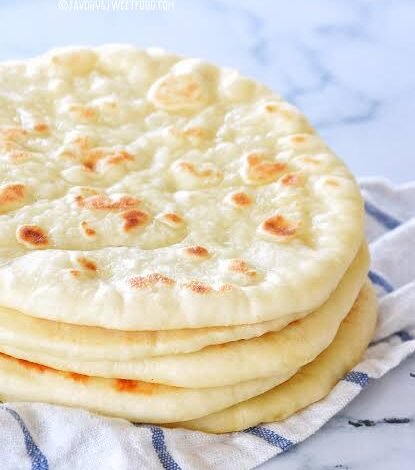
Bazlama is a famous soft flatbread from Turkey that people have enjoyed for many years. It is made using very simple pantry ingredients like flour, water, yeast, salt, and thick yogurt. The secret behind its super soft and pillowy texture is the addition of fresh yogurt inside the dough. Unlike many other breads that require a oven, Bazlama is cooked directly on a hot pan or skillet on your stove. As it cooks, it puffs up beautifully like a small balloon, creating a light and fluffy bread with tiny golden spots on top. This traditional Turkish yogurt flatbread is widely loved because it combines the simplicity of homemade bread with an amazingly tender feel that melts in your mouth with every single bite.
People all around the world fall in love with this flatbread because it brings warmth and comfort to any meal. The presence of yogurt in the recipe gives the bread a mild and pleasing tangy taste while keeping the inside extra soft for a long time. It is extremely easy to make even if you are someone who has never touched bread dough before in your life. You do not need any special baking tools or fancy appliances to make a batch of fresh Bazlama in your kitchen. The joy of watching the flatbread swell up on the hot pan gives a feeling of pure happiness to any home cook. It is versatile, budget friendly, delicious, and brings the real taste of traditional Turkish cooking right to your family dining table.
You should consider making this delightful Turkish flatbread whenever you feel like eating something cozy, warm, and freshly made at home. It is perfect for weekend family breakfasts where you can serve it warm with melted butter, honey, jams, or fresh white cheese. If you care about fitness and health, making your own flatbread at home allows you to control every single ingredient without using artificial additives or preservatives. It serves as a wonderful healthy fuel source for active days because it gives you steady energy from quality flour and good protein from rich yogurt. It is also a fantastic recipe to cook when you want to impress your close friends or family during dinner parties without spending long exhausting hours in the kitchen.
Preparing Bazlama is also a wonderful emotional experience that lets you slow down and enjoy the peaceful process of bread making. Taking time out of a busy day to knead soft dough with your hands can be surprisingly relaxing and rewarding. The rich cozy smell of freshly cooked yeast bread filling up your home creates a cozy atmosphere that instantly brings people together. Children and adults alike love eating it hot directly off the skillet with a touch of olive oil or creamy butter spread over the surface. No matter if you eat it as a side for a rich stew, wrap it around grilled meats, or eat it plain with tea, Bazlama creates happy food memories that bring warmth to your heart every single time.
Ingredients You Will Need
To make eight pieces of delicious homemade Bazlama, you will need the following simple ingredients:
Four cups of all purpose flour or bread flour
One cup of plain thick yogurt at room temperature
One cup of warm water
One tablespoon of instant dry yeast or active dry yeast
One teaspoon of granulated white sugar
One and a half teaspoons of fine sea salt
Two tablespoons of olive oil or melted butter for kneading
Extra flour for dusting your work surface
Extra melted butter or olive oil for brushing on top of hot flatbreads
Step by Step Method
Step 1: Preparing the Yeast Mixture First, take a large mixing bowl and pour in one cup of warm water. Make sure the water is warm to the touch but not boiling hot, as very hot water can destroy the yeast. Add one tablespoon of dry yeast and one teaspoon of granulated sugar into the warm water. Stir the mixture gently with a spoon until the sugar dissolves completely. Let this mixture rest peacefully on your kitchen counter for about five to ten minutes. You will know it is ready when you see frothy bubbles forming on top of the liquid.
Step 2: Mixing the Wet and Dry Ingredients Once your yeast mixture is frothy and active, add one cup of plain thick yogurt into the same bowl. Stir gently so the yogurt blends well with the yeast water. Next, add four cups of flour and one and a half teaspoons of salt into the bowl. Start mixing everything together using a wooden spoon or your clean hands until a rough dough starts to form. If the dough feels a bit dry, add one extra tablespoon of warm water. If it feels extremely sticky, sprinkle one extra tablespoon of flour.
Step 3: Kneading the Flatbread Dough Pour two tablespoons of olive oil over the dough and transfer it onto a clean flour dusted work surface. Knead the dough gently using the palms of your hands for about eight to ten minutes. Push the dough forward, fold it back over itself, and turn it slightly. Keep repeating this process until the dough becomes soft, smooth, elastic, and non sticky. Kneading helps build structure so your flatbread can puff up nicely later when cooked.
Step 4: The First Dough Rise Form the kneaded dough into a neat round ball. Lightly oil the inside of a large clean bowl and place your dough ball inside. Cover the top of the bowl tightly with a clean kitchen towel or plastic wrap. Place the bowl in a warm draft free spot in your home for about one hour to one hour and thirty minutes. During this resting period, the yeast will feed on the dough and double its original size.
Step 5: Dividing into Portion Balls After the dough has doubled in size, gently press down in the middle with your fist to release the trapped air bubbles. Transfer the relaxed dough onto your flour dusted table. Divide the dough into eight equal portions using a sharp knife or dough cutter. Roll each small piece between your palms to form eight smooth round dough balls. Place the dough balls on a lightly floured tray, cover them loosely with a towel, and let them rest for fifteen minutes.
Step 6: Rolling out the Flatbreads Take one rested dough ball and place it on your floured surface while keeping the rest covered. Dust a little flour over the top of the dough ball. Use a wooden rolling pin to gently roll the dough ball into a thick circle shape. Each circle should be about six to seven inches wide and around one third of an inch thick. Do not roll it too thin, as Bazlama is traditional for being thick, soft, and fluffy. Repeat this rolling step for all eight dough balls.
Step 7: Cooking on the Hot Skillet Place a heavy bottom skillet, cast iron pan, or non stick pan on your stove over medium heat. Let the pan get properly hot for two to three minutes before cooking. Do not add oil to the dry pan. Place one rolled flatbread circle directly onto the hot dry pan. Cook it for about one to two minutes until you see small light bubbles starting to rise on the top surface.
Step 8: Flipping and Puffing Flip the flatbread over to the second side using a spatula. Cook the second side for another one to two minutes until brown spots appear underneath. Flip it back to the first side once more. At this stage, you will notice the flatbread swelling up like a pillow filled with air. Press very gently on the edges with your spatula to help the warm air spread evenly inside the bread. Once cooked and fully puffed, remove it from the heat.
Step 9: Brushing with Butter and Serving Immediately brush the top of the hot flatbread with melted butter or fragrant olive oil. Stack the cooked flatbreads on a warm plate covered with a clean kitchen cloth to keep them warm and soft while you cook the remaining pieces. Serve your hot fresh Bazlama right away with your favorite dishes or toppings.
Why This Recipe Is Special
This classic Turkish Bazlama flatbread recipe stands out among flatbread recipes across the world due to its unique combination of simplicity, high moisture, and incredible texture. The inclusion of yogurt sets it apart from simple water based flatbreads like pita or standard wraps. Yogurt introduces extra fat and natural lactic acid, which breaks down gluten bonds slightly, yielding an exceptionally soft crumb that stays tender even after cooling down completely.
From a health point of view, making Bazlama at home gives you complete freedom over your dietary choices. Store bought packaged flatbreads often contain artificial preservatives, excess sodium, shelf stabilizers, and chemical dough conditioners. By making it yourself, you use clean wholesome ingredients. Yogurt adds calcium, good proteins, and beneficial gut friendly properties to your daily diet. You can easily switch to whole wheat flour if you desire a higher fiber content that aids digestion and supports healthy weight goals.
The flavor profile of Bazlama is unmatched in its class. It presents a gentle savory taste with a light yogurt tang that balances rich toppings wonderfully. The high heat cooking method locks in internal moisture while creating a fragrant lightly charred crust on the outside. It works seamlessly across various food cultures, acting as a spoon for dips, a wrap for grilled vegetables and proteins, or a warm base for morning spreads.
Extra Tips for Better Taste
Use Full Fat Greek Yogurt: For the softest texture and richest flavor, always choose plain full fat Greek yogurt or traditional thick natural yogurt. Low fat or watery yogurts contain too much liquid and less natural fat, which can make your dough overly sticky and slightly less tender.
Herbed Garlic Butter Finish: Take your simple flatbreads to a whole new level of taste by mixing melted butter with finely chopped fresh garlic, fresh parsley, and a small pinch of red chili flakes. Brush this seasoned herb butter over the hot Bazlama as soon as it comes off the hot skillet.
Add Seeds inside the Dough: You can elevate both the crunch and nutritional value of your bread by mixing one tablespoon of nigella seeds, sesame seeds, or flaxseeds directly into the dry flour before adding liquid. Nigella seeds give a delightful traditional aromatic flavor loved in Turkish bakeries.
Control Your Stove Heat: Cooking flatbread requires proper heat balance. If your stove heat is too high, the outside will burn before the inside cooks through. If your heat is too low, the flatbread will dry out and become tough instead of puffing up nicely. Keep your burner on medium heat and adjust slightly as you go.
Store with Care: If you have leftover flatbreads, let them cool down completely on a wire rack. Pack them tightly inside an airtight plastic bag or container. You can keep them at room temperature for up to two days or freeze them for up to one month. Warm them up on a skillet for thirty seconds to bring back their original fresh softness.
Final Thoughts
Making traditional Turkish Bazlama yogurt flatbread at home is a fun, easy, and deeply satisfying cooking adventure for anyone. With just a handful of basic kitchen ingredients and a simple frying pan, you can create delicious bakery style bread that brings joy to your mealtime. Whether you are serving it for breakfast with sweet honey, using it to wrap up seasoned dinner items, or enjoying it warm with a cup of tea, this soft pillowy bread is sure to become a regular favorite in your home. Try making a fresh batch today and enjoy the mouthwatering taste of homemade warmth.
Nutrition Details
The nutritional values listed below are calculated estimates for one serving of Bazlama based on an eight serving batch made using standard ingredients.
Recipe Nutrition Overview Table
| Total Calories | 245 kcal | 12 percent |
| Carbohydrates | 42 grams | 15 percent |
| Protein | 8 grams | 16 percent |
| Total Fat | 5 grams | 6 percent |
| Saturated Fat | 2 grams | 10 percent |
| Dietary Fiber | 2 grams | 7 percent |
| Sugars | 2 grams | 4 percent |
| Sodium | 440 milligrams | 19 percent |
| Calcium | 65 milligrams | 5 percent |
| Iron | 2.5 milligrams | 14 percent |
Additional Context per Serving
Energy Value: 245 Kilocalories Primary Carbohydrate Source: Refined or Whole Grain Flour Protein Source: Wheat Gluten and Dairy Yogurt Serving Size: One Flatbread about seventy five grams
Disclaimer
The nutritional values provided in this article are simple estimates calculated for general informational purposes only. Actual nutritional numbers can vary depending on the specific brands of ingredients you buy, exact measuring methods, and individual cooking times. Everyone has a unique body, different health conditions, and specific dietary needs, so individual digestions and health results may change from person to person. If you have severe dietary allergies, diabetes, or specific health conditions, please consult a qualified doctor or certified nutritionist before making major changes to your regular meal routine.