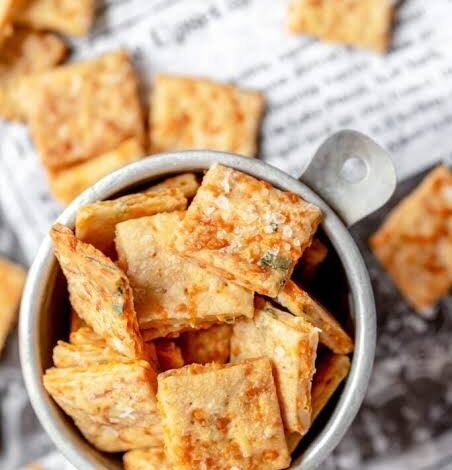
Making your own snacks at home feels like a small victory in a busy week, and this sourdough cheese crackers recipe is the ultimate way to turn simple kitchen staples into pure magic. If you have ever stared at a jar of leftover sourdough discard in your refrigerator and felt bad about throwing it away, this recipe is going to become your new best friend. At its core, this dish is all about taking tangy fermented flour and water, mixing it with rich melted butter, sharp aged cheddar cheese, and a pinch of salt, and baking it until every single square is golden and snappy. Unlike store bought boxed snacks that sit on grocery shelves for months with long lists of hard to pronounce chemicals, these homemade crackers use real food you already recognize and trust. The process is wonderfully straightforward and does not require any fancy bakery equipment, expensive mixers, or years of bread baking experience. You simply stir the ingredients together in one bowl, chill the dough so it becomes firm and easy to handle, roll it out thin on your counter, and bake it in a standard home oven. Within less than an hour of active kitchen time, your entire house will smell like a warm, cozy artisan bakery filled with toasty cheese and rich butter. Every bite delivers a loud, satisfying crunch followed by a deep savory flavor that lingers on your tongue in the best possible way. Whether you are a total beginner who has never baked a loaf of bread in your life or a seasoned sourdough lover looking for fresh discard ideas, this recipe welcomes you with open arms and guarantees delicious results on your very first try.
People all across the world fall head over heels in love with these crackers after just one small taste, and it is easy to see why they vanish from the cooling rack in minutes. First and foremost, the texture is completely unmatched by anything you can buy in a plastic bag at the supermarket. When baked properly, these crackers develop tiny, delicate air pockets and flaky layers that shatter gently when you bite down, giving you that addictive crispiness everyone craves during afternoon snack breaks. Beyond the incredible crunch, the flavor combination is a match made in culinary heaven because the natural tanginess of the sourdough starter balances the rich, salty sharpness of the cheddar cheese. Many regular cheese crackers can feel a little heavy or overly greasy after a handful, but the subtle acidity from the fermented starter cuts right through the richness and keeps every bite tasting bright, fresh, and lively. Children adore them because they taste like a gourmet version of their favorite childhood square snacks, while adults appreciate the complex, mature depth of real aged cheese and toasted wheat. Another huge reason people love this recipe is the deep sense of thrift and zero waste satisfaction it brings to the kitchen. Sourdough bakers often struggle with the guilt of discarding half their starter every time they feed it, so transforming that humble discard into a tray of golden, crispy treats feels like turning kitchen scraps into pure gold. Sharing a warm bowl of these crackers with family and friends always sparks genuine smiles and requests for the recipe, making you feel like a true kitchen hero.
There are so many wonderful moments in life when a fresh batch of sourdough cheese crackers is the exact answer you need, whether you are cooking for emotional comfort, pure taste pleasure, or mindful fitness goals. On a rainy Sunday afternoon when you want to slow down, put on some cozy music, and do something calming with your hands, rolling out dough and cutting neat little squares brings a peaceful rhythm to your day. Emotionally, baking from scratch connects us to slower, simpler traditions and fills the home with comforting aromas that instantly melt away the stress of a long workday or a hectic week. When your taste buds are begging for something salty, crunchy, and deeply savory during movie night or game day, reaching for a bowl of warm, freshly baked cheese crackers satisfies that craving far better than any bag of processed potato chips ever could. From a health and fitness perspective, making your own snacks puts you in complete control of the ingredients, portion sizes, and nutritional quality of what you eat. Because the sourdough starter undergoes natural fermentation, the starches and proteins in the flour are partially broken down, which makes these crackers much gentler on your stomach and easier to digest than standard refined flour snacks. Furthermore, the generous amount of real cheddar cheese provides a solid boost of natural protein and healthy fats that help keep your blood sugar steady and keep you feeling full for hours after snacking. Instead of experiencing a sudden sugar crash or feeling hungry twenty minutes later, a modest serving of these wholesome crackers fuels your body with steady energy before a workout or during a busy afternoon at your desk.
Bringing a batch of these crackers into your weekly routine is also a brilliant way to elevate everyday meals and social gatherings without spending a fortune at specialty food stores. Imagine setting out a wooden cheese board for guests where the star of the show is not the expensive imported brie, but the warm, homemade sourdough crackers you baked yourself an hour before they arrived. They pair effortlessly with creamy bowls of roasted tomato soup on chilly evenings, add an exciting crunch beside a crisp green salad at lunch, and tuck neatly into school lunchboxes or work bags for a reliable midday pick me up. Even if you are watching your intake of artificial dyes, preservatives, and hidden sugars, you can enjoy every single square knowing there is zero artificial orange powder or cheap vegetable oil hiding inside your snack. Once you experience how quick, affordable, and rewarding it is to pull a sheet pan of golden, bubbling, crispy cheese crackers out of your own oven, you will never look at a store bought box the same way again. Grab your favorite mixing bowl, pull that jar of sourdough discard out of the fridge, and get ready to create a snack that will win over everyone in your home from the very first crunch.
Ingredients You Will Need
Gathering your ingredients before you begin makes the entire baking process smooth, relaxing, and enjoyable. Everything on this list is simple, wholesome, and easy to find at any local grocery store. For the absolute best flavor and texture, try to use block cheese that you grate yourself rather than pre shredded bagged cheese, because bagged cheese contains anti caking starches that can prevent the dough from melting together smoothly.
-
1 cup (240 grams) sourdough starter discard, unfed and straight from the refrigerator, or active starter at room temperature
-
2 cups (225 grams) sharp cheddar cheese, freshly grated from a solid block for maximum melt and flavor
-
4 tablespoons (56 grams) unsalted butter, softened at room temperature so it blends easily into the dough
-
1 cup (120 grams) all purpose flour, plus a tiny pinch extra for dusting your rolling surface
-
1/2 teaspoon fine sea salt, or slightly less if your cheddar cheese is already very salty
-
1/4 teaspoon garlic powder, for a warm and savory background note
-
1/4 teaspoon smoked paprika, optional, for a gentle hint of color and smoky depth
-
1 tablespoon cold water, only if needed to help dry dough come together into a smooth ball
-
Flaky sea salt, about 1 teaspoon for sprinkling lightly over the tops right before baking
Step by Step Method
Follow these simple, clear steps from start to finish, and you will end up with crisp, golden crackers every single time. Even if you have never worked with pastry dough or sourdough before, taking your time with each stage will make the process feel effortless and fun.
-
Grate the cheese and soften the butter. Start by taking your unsalted butter out of the refrigerator about twenty minutes early so it becomes soft enough to press easily with your finger, though it should still feel cool and not melted. While the butter softens, take your block of sharp cheddar cheese and grate it using the medium holes of a standard box grater. Freshly grated cheese blends seamlessly into the flour and starter, creating tiny pockets of melted richness throughout the crackers.
-
Combine the wet and dry ingredients in a large bowl. Place the softened butter, freshly grated cheddar cheese, sourdough starter discard, all purpose flour, fine sea salt, garlic powder, and smoked paprika into a large mixing bowl. Use a sturdy wooden spoon, a silicone spatula, or your clean hands to press and stir everything together until the flour disappears and a cohesive, slightly thick dough begins to form. If the mixture looks crumbly and refuses to hold together after a minute of mixing, sprinkle in just one teaspoon of cold water at a time until the dough presses cleanly into a single ball.
-
Shape and chill the dough for easy rolling. Turn the dough out onto a clean piece of plastic wrap or parchment paper and press it gently with your palms into a flat, even disk about half an inch thick. Wrap the disk tightly so air cannot dry out the edges, then place it inside your refrigerator for at least thirty minutes. Chilling is a crucial step because it firms up the butter and relaxes the gluten in the flour, which stops the dough from shrinking in the oven and makes rolling it thin ten times easier.
-
Preheat your oven and prepare your baking sheets. While the dough rests in the fridge, move your oven rack to the center position and preheat your oven to 350 degrees Fahrenheit (175 degrees Celsius). Line two large flat baking sheets with sheets of parchment paper so the crackers will bake evenly without sticking or burning on the bottom.
-
Roll the dough out very thin. Take the chilled disk of dough out of the refrigerator and place it directly onto a large sheet of parchment paper, dusting the top lightly with a tiny pinch of flour to keep your rolling pin from sticking. Using a rolling pin, roll the dough outward from the center in all directions until it reaches an even thickness of about one sixteenth of an inch, which is roughly the thickness of a standard coin. Getting the dough nice and thin is the biggest secret to achieving a true crispy crunch rather than a soft, bready biscuit texture.
-
Cut the dough into neat squares and poke air holes. Use a sharp pizza cutter, a pastry wheel, or a regular kitchen knife to slice the rolled dough into neat one inch squares, trimming away any uneven outer scraps and re rolling them if you wish. Once the squares are cut, take a wooden toothpick, a bamboo skewer, or the tines of a fork and poke one small hole right through the center of each square. These tiny holes allow trapped steam to escape while baking so the crackers puff up evenly and turn crisp instead of forming giant bubbles.
-
Transfer to the baking sheet and add flaky salt. Gently slide the entire piece of parchment paper covered in your cut cracker squares onto your prepared baking sheet, leaving just a tiny bit of space between the squares if any edges are overlapping. Lightly mist or brush the tops with a tiny whisper of water if they look very dry, then scatter a light pinch of flaky sea salt evenly across all the crackers for that classic bakery finish.
-
Bake until golden brown and crispy. Place the baking sheet on the center rack of your preheated oven and bake for fifteen to twenty minutes, rotating the pan halfway through so every corner browns at the exact same speed. Keep a close eye on the oven during the last three minutes of baking, because thin cheese crackers can go from perfectly golden to overly dark very quickly. You want the edges to turn a deep amber brown and the centers to look dry, firm, and lightly golden.
-
Cool completely to lock in the crunch. Remove the baking sheet from the oven and let the crackers rest right on the hot pan for about five minutes before sliding the parchment paper onto a wire cooling rack. As the crackers cool down to room temperature, the melted cheese and butter set firmly, transforming the crackers from slightly tender to ultra crispy and snappy. Wait until they are completely cool before storing them in an airtight glass jar or sealed container at room temperature for up to one week.
Why This Recipe Is Special
There are hundreds of snack recipes floating around the internet, yet this sourdough cheese cracker recipe stands in a league of its own for both flavor and nutrition. The magic starts with the sourdough starter, which brings beneficial fermentation to a snack that is usually made with plain, unfermented white flour. During the fermentation process, wild yeasts and friendly lactic acid bacteria naturally break down phytic acid, a compound found in grains that can sometimes block your body from absorbing important minerals like iron, zinc, and magnesium. Because the flour in your starter has already been pre digested by these natural cultures, many people who feel bloated or sluggish after eating commercial crackers find that homemade sourdough crackers sit lightly and comfortably in their stomach.
Beyond easier digestion, this recipe shines because it relies on real, whole food ingredients with zero artificial fillers. Commercial cheese crackers often use processed cheese powders, artificial yellow food coloring, refined seed oils, and preservatives to mimic the taste of real cheddar while keeping manufacturing costs low. When you make this recipe at home, every single bite delivers genuine dairy protein, natural calcium, and rich butterfat from real cheddar cheese and pure butter. Protein and healthy fats slow down how quickly your body absorbs carbohydrates, which helps keep your energy levels smooth and balanced instead of causing rapid spikes and crashes in blood sugar.
The taste itself is another reason this recipe earns permanent space in your kitchen rotation. Aged sharp cheddar brings a deep, nutty, savory richness, while the tangy sourdough starter adds a subtle bright acidity that wakes up your taste buds. Together, they create a complex, layered flavor profile that tastes like something you would buy from an expensive artisan bakery in a charming small town. Best of all, this recipe turns potential food waste into pure culinary joy by giving your leftover sourdough discard a delicious purpose every single week.
Extra Tips for Better Taste
Once you master the basic recipe, you can easily customize the dough to match your mood, the season, or whatever spices are sitting in your pantry. Small tweaks can completely transform the personality of these crackers and keep snack time exciting all year long.
-
Experiment with different aged cheeses. While sharp yellow or white cheddar is a timeless favorite, swapping half of the cheddar for aged Gruyere, nutty Parmesan, smoked Gouda, or spicy pepper jack creates incredible new flavor combinations. Always stick to firm or semi hard cheeses that grate cleanly, as very wet cheeses like fresh mozzarella will make the dough too sticky to roll thin.
-
Add fresh or dried herbs for an aromatic twist. Stirring one teaspoon of finely chopped fresh rosemary, dried thyme, Italian seasoning, or dried dill right into the dry flour adds a wonderful herbal fragrance that pairs beautifully with soups and charcuterie boards.
-
Turn up the heat with gentle spices. If you enjoy a little warmth in your snacks, add a pinch of cayenne pepper, crushed red pepper flakes, or freshly cracked black pepper to the dough before chilling. A tiny touch of spice enhances the richness of the cheddar without overpowering the tangy sourdough notes.
-
Use whole grain flour for extra nuttiness. You can replace up to half of the all purpose flour with whole wheat flour, spelt flour, or rye flour to give your crackers a deeper, toastier grain flavor and an extra boost of natural dietary fiber. If you use whole grain flour, keep an extra tablespoon of cold water nearby in case the dough feels slightly drier during mixing.
-
Keep the dough cold while working. If your kitchen is warm and the dough starts feeling soft or sticky while you are rolling it out, simply slide the parchment paper onto a flat tray and pop it back into the freezer for five minutes. Cold dough cuts cleanly with sharp edges and bakes up noticeably flakier than warm dough.
-
Watch the outer edges closely in the oven. Because the crackers near the edges of the baking sheet cook faster than the ones in the very center, feel free to pull the outer golden crackers off the pan two minutes early and let the center ones finish baking until everything reaches the exact same shade of crispy amber gold.
Final Thoughts
Baking your own sourdough cheese crackers from scratch is one of the simplest, most rewarding habits you can bring into your kitchen. It takes ordinary everyday ingredients, saves precious sourdough discard from going to waste, and fills your home with the comforting aroma of warm butter and toasted cheddar cheese. Whether you serve them alongside a cozy bowl of soup, pack them into lunchboxes for busy weekdays, or set them out on a platter for friends, these crispy little squares always bring people together around good, honest food. Do not worry if your first batch of squares is not perfectly uniform in shape, because the rustic homemade look is part of their charm and every single piece will still taste extraordinary. Grab your rolling pin, preheat your oven, and enjoy the simple pleasure of creating a wholesome snack with your own two hands.
Nutrition Details
The table below provides an estimated nutritional breakdown for the entire batch of crackers as well as a standard single serving size. This recipe yields approximately 80 small one inch crackers, which divides nicely into 8 generous servings of about 10 crackers each. Keep in mind that exact values may vary slightly depending on the specific brand of cheddar cheese, butter, and flour you use in your kitchen.
Disclaimer
The nutritional information and health details shared in this article are provided for general educational and informational purposes only and should not be taken as medical or professional dietary advice. Every person has a unique body, metabolism, and digestive system, so individual reactions and health results may vary depending on your personal health history, allergies, or dietary needs. If you have celiac disease, severe gluten intolerance, dairy allergies, or specific medical conditions that require strict sodium or calorie management, please consult a qualified doctor or registered dietitian before making changes to your diet.