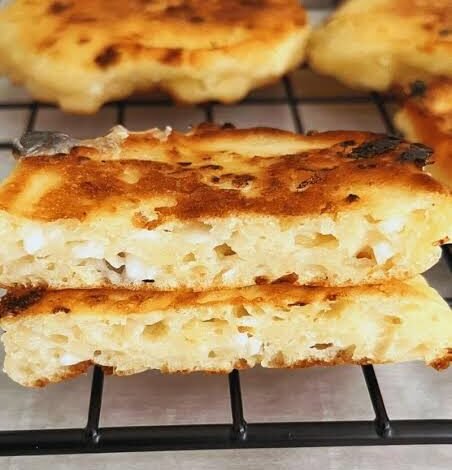
Sourdough baking is a wonderful journey that brings so much joy into your kitchen, but it also leaves you with a lot of leftover batter known as discard. Many people feel guilty when they have to throw away this fermented flour mixture after feeding their starter every day. That is exactly why this amazing recipe was created to turn something you might throw away into a delicious and wholesome breakfast treat. By combining sourdough discard with creamy cottage cheese, you get a batter that cooks into the softest, thickest, and most delicious pancakes you have ever tasted in your life. The sourdough adds a mild tangy flavor that balances perfectly with the mild sweetness of the pancakes, making every bite feel like a treat from a high end breakfast cafe. You do not need any special baking skills or complex tools to make these work because the steps are completely simple and beginner friendly.
People all over the world love this recipe because it solves two common morning problems at the same time by saving food and providing great nutrition. Traditional pancakes are often full of simple carbohydrates that leave you feeling hungry just an hour or two after eating them. These unique pancakes are totally different because the addition of cottage cheese packs them full of wholesome protein and healthy nutrients that keep your stomach full and satisfied for hours. You do not even have to worry about the lumpy texture of cottage cheese because blending or whisking it into the batter makes the pancakes super smooth, light, and airy. Kids and picky eaters will never even guess that there is cottage cheese inside these golden treats because all they will taste is rich, comforting goodness. It is truly a magic trick for anyone who wants to sneak more protein into their family diet without sacrificing classic comfort food flavors.
There are so many wonderful reasons and special moments to make these delicious pancakes for yourself and your loved ones. If you are someone who works out and cares about fitness, these pancakes act as a fantastic high protein morning meal that helps rebuild your muscle tissue and gives you long lasting energy for your daily activities. If you are a busy parent rushing through a hectic weekday morning, this quick batter can be made in just a few minutes to give your children a nutritious start before school. On slow weekend mornings, making these pancakes becomes a cozy ritual that fills your entire home with the warm smell of rich vanilla, buttery goodness, and toasted flour. Cooking a big stack of these fluffy cakes for a family brunch brings instant comfort, smiles, and warmth to the breakfast table, turning a normal morning into a memorable experience.
Starting your day with a warm plate of these pancakes also gives you a deep sense of happiness because you are choosing a mindful lifestyle that avoids unnecessary kitchen waste. Every time you spoon your sourdough discard into the bowl instead of pouring it down the drain, you are honoring the time and love you put into cultivating your starter culture. The natural fermentation process of the sourdough discard also helps break down gluten molecules, which makes these pancakes much easier on your digestive system compared to standard pancakes made with fresh raw flour. When you combine those gentle gut benefits with the natural calcium, healthy fats, and protein found in cottage cheese, you get a breakfast that feels heavy on taste but light and comfortable on your stomach. It is the ultimate combination of cozy comfort food, gut friendly health benefits, and smart budget friendly cooking that anyone can master in no time.
Ingredients You Will Need
To create these soft and delicious pancakes, you only need simple staple items that you probably already have sitting in your pantry and refrigerator. Using fresh, quality ingredients will ensure that your breakfast turns out perfectly fluffy every single time. Here is the full list of everything you need to gather before you start cooking:
-
Sourdough Discard: 1 cup (240 grams) of unfed sourdough discard at room temperature
-
Cottage Cheese: 1 cup (225 grams) of full fat or low fat cottage cheese
-
Eggs: 2 large eggs at room temperature
-
Maple Syrup or Honey: 2 tablespoons (30 milliliters) of pure maple syrup or natural honey
-
Vanilla Extract: 1 teaspoon (5 milliliters) of pure vanilla extract
-
All Purpose Flour or Whole Wheat Flour: 1/2 cup (60 grams) of standard flour
-
Baking Powder: 1 teaspoon (5 grams) of baking powder
-
Baking Soda: 1/2 teaspoon (2.5 grams) of baking soda
-
Salt: 1/4 teaspoon (1.5 grams) of fine sea salt
-
Butter or Coconut Oil: 2 tablespoons (30 grams) melted for the batter, plus extra for greasing your frying pan
Step by Step Method
Making these pancakes is simple, easy, and stress free. Follow these clear instructions to ensure your pancakes cook evenly and come out light, fluffy, and golden brown.
Step 1: Prep Your Work Station and Ingredients
Gather all your measured ingredients on your kitchen counter. Having everything ready before you start mixing ensures a smooth cooking process. If your eggs and sourdough discard are cold from the fridge, set them on the counter for about fifteen minutes so they reach room temperature. Warm ingredients mix together much more easily and create a smoother pancake batter.
Step 2: Blend or Whisk the Wet Ingredients
Place the cottage cheese, sourdough discard, eggs, melted butter, pure vanilla extract, and maple syrup into a blender or a deep mixing bowl. If you want a super smooth texture where no curd bumps are visible, blend these wet ingredients on medium speed for about twenty seconds until the mixture looks completely silky and creamy. If you do not mind small texture bits from the cottage cheese, you can simply whisk everything vigorously in a large bowl with a hand whisk.
Step 3: Combine the Dry Ingredients
In a separate medium bowl, add your flour, baking powder, baking soda, and fine sea salt. Use a fork or a small whisk to stir these dry ingredients together thoroughly. This step is important because it distributes the baking powder and baking soda evenly throughout the flour so every single pancake rises equally high in the pan.
Step 4: Mix the Wet and Dry Ingredients Together
Pour your blended wet mixture directly into the bowl with the dry flour mixture. Use a soft spatula to gently fold the ingredients together just until you no longer see any dry white flour spots. Be very careful not to overmix the batter here. Overmixing develops gluten fibers in the flour, which can make your final pancakes tough and chewy instead of light and fluffy. A few small lumps in your batter are completely normal and desired.
Step 5: Let the Pancake Batter Rest
Allow your batter to sit quietly on the counter for about five to ten minutes. While the batter rests, the sourdough discard reacts naturally with the baking soda and baking powder. You will notice small bubbles forming on top of the batter, which means the mixture is expanding and becoming airy. This short rest time is the secret trick to getting extra thick and fluffy pancakes.
Step 6: Heat Your Skillet or Griddle
Place a large non stick skillet, cast iron pan, or electric griddle over medium low heat. Let the cooking surface heat up slowly for a few minutes so the heat is distributed evenly across the whole surface. Dab a small amount of butter, ghee, or neutral cooking oil onto the hot surface and wipe away any excess with a clean paper towel so you have a thin, even layer of oil.
Step 7: Pour the Batter onto the Hot Pan
Use a quarter cup measure or a small soup ladle to scoop the batter and drop it gently onto the hot skillet. Leave about two inches of space between each pancake so they have room to spread and do not stick together. You should hear a soft sizzling sound as soon as the batter touches the hot pan.
Step 8: Cook Until Bubbles Form
Let the pancakes cook on the first side for about three to four minutes over low or medium low heat. Watch the edges of the pancakes closely. When you see tiny bubbles rising up to the surface and popping, and the edges look set and dry, it is time to flip. Lowering the heat slightly prevents the bottom from burning before the deep center cooks through completely.
Step 9: Flip and Finish Cooking
Slide a wide thin spatula gently under the pancake and flip it over with one smooth motion. Cook the second side for another two to three minutes until the bottom turns a beautiful golden brown shade and the center feels springy when lightly touched with your fingertip. Remove the cooked pancakes from the pan and transfer them to a warm plate.
Step 10: Repeat and Serve Fresh
Repeat the process with your remaining pancake batter, adding a tiny dot of butter to the pan between batches as needed. Stack the warm pancakes high on a serving plate, top with your favorite toppings like fresh berries or pure maple syrup, and serve immediately while they are hot and fresh.
Why This Recipe Is Special
This pancake recipe stands out from traditional breakfast options for several fantastic reasons that benefit your body and delight your taste buds. First, it is an amazing answer to kitchen sustainability. Instead of throwing your valuable sourdough discard into the trash or down the drain during daily starter maintenance, you are turning it into nourishing food. Sourdough discard adds a gentle, complex tang that balances the natural sweetness of your toppings, giving your pancakes a rich flavor profile that tastes like it came from an artisanal bakery.
Second, the addition of cottage cheese dramatically elevates the nutritional profile of this breakfast. Cottage cheese is packed with high quality casein protein, which digests slowly in your body to keep you feeling satisfied and full for hours. This prevents sudden spikes and crashes in your blood sugar levels, giving you steady, clean energy throughout your busy morning. Additionally, cottage cheese provides essential minerals like calcium for strong bones and phosphorus for energy production.
Third, sourdough fermentation offers great benefits for your digestive system. The beneficial microbes in the sourdough starter break down complex carbohydrates and phytic acid in the flour during its long fermentation period. This makes the grains far easier to digest and allows your body to absorb nutrients much more efficiently. People who sometimes feel heavy or bloated after eating regular pancakes often find that these fermented sourdough discard pancakes feel delightfully light and easy on their stomach.
Extra Tips for Better Taste
-
Blend for Ultimate Smoothness: If you or your family members dislike the bumpy texture of cottage cheese curds, always use a blender to mix the wet ingredients. Blending creates a thick, silky cream that folds into the batter effortlessly, leaving no visible trace of curds while keeping all the rich protein intact.
-
Add Flavorful Spices: Enhance the pleasant aroma of your batter by adding half a teaspoon of ground cinnamon, a pinch of ground nutmeg, or a little fresh lemon zest. These simple additions bring out rich warm flavors that complement the subtle tang of the sourdough discard.
-
Fold in Fresh Fruits or Chips: Right after pouring your batter onto the hot pan, drop a handful of fresh blueberries, sliced banana rounds, toasted walnut bits, or dark chocolate chips onto the uncooked top of each pancake. Cooking them directly into the batter warms them through and creates delicious bursts of flavor in every bite.
-
Keep them Warm in the Oven: If you are cooking a large batch for a big group, preheat your oven to two hundred degrees Fahrenheit (ninety degrees Celsius). Place a wire rack on a baking sheet inside the warm oven and transfer your finished pancakes onto it. This keeps every pancake warm and crisp while you finish frying the rest of the batter.
-
Control Your Pan Temperature: The biggest mistake beginners make is setting the heat too high. Because cottage cheese and sourdough batter are thick and dense, high heat will brown the outside too quickly while leaving the inside raw. Keep your stove burner on medium low to allow the pancakes to cook evenly all the way to the center.
-
Freeze Extra Pancakes for Quick Meals: These pancakes freeze extremely well for future busy mornings. Allow your leftover cooked pancakes to cool down completely to room temperature. Stack them with small pieces of parchment paper between each layer, place them in a sealed freezer bag, and freeze for up to two months. Simply pop them into a toaster or toaster oven directly from the freezer whenever you need a quick protein packed breakfast.
Nutrition Details
Here is a breakdown of the estimated nutritional information per serving. This recipe yields four generous servings, with each serving consisting of two medium size fluffy pancakes.
| Nutritional Component | Value Per Serving (2 Pancakes) |
| Calories | 240 kcal |
| Total Protein | 14 grams |
| Total Carbohydrates | 28 grams |
| Dietary Fiber | 2 grams |
| Sugars | 6 grams |
| Total Fat | 8 grams |
| Saturated Fat | 4 grams |
| Cholesterol | 105 milligrams |
| Sodium | 420 milligrams |
| Calcium | 150 milligrams |
Note: Nutritional values are approximate estimates based on standard full fat cottage cheese and whole milk ingredients. Actual nutrition values may vary depending on the specific brands, ingredient choices, and topping quantities you use in your kitchen.
Final Thoughts
Making sourdough discard cottage cheese pancakes is one of the easiest and most rewarding ways to transform simple kitchen leftovers into a spectacular morning meal. With its winning combination of rich protein, light texture, and gentle digestive benefits, this recipe deserves a permanent spot in your weekly breakfast rotation. Whether you are fueling up for a long workout, feeding hungry children before school, or enjoying a lazy Sunday morning with a hot cup of coffee, these warm golden cakes will deliver comfort and satisfaction to your table every single time. Give this effortless recipe a try during your next sourdough starter feeding day, and enjoy every single soft, delicious bite!
Disclaimer
Every human body is unique, with different nutritional needs, digestion speeds, and medical requirements. The health tips, nutritional details, and benefits mentioned in this article are provided for general educational purposes only and should not replace professional medical or dietary advice. Individual results from eating sourdough or dairy products can vary from person to person. If you have severe allergies, lactose intolerance, gluten sensitivity, or specific medical conditions, please consult with a qualified doctor or registered nutritionist before making major changes to your diet.