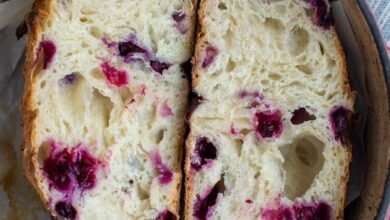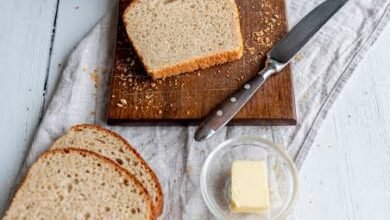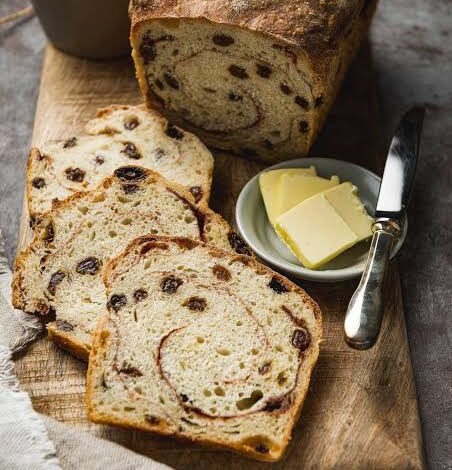
Baking bread at home is one of the most rewarding culinary journeys you can start. There is something deeply magical about taking four basic kitchen elements like flour, water, salt, and wild yeast culture, and transforming them into a warm loaf of artisan bread. When you add sweet cinnamon and juicy raisins to that traditional recipe, you create something truly extraordinary. Cinnamon raisin sourdough bread combines the natural tang of slow fermenting wild yeast with the warm comfort of ground spice and rich sweet fruit. Every single slice offers a crisp golden crust on the outside and a soft pillowy interior filled with aromatic swirls. If you have ever walked past a local bakery early in the morning and smelled fresh baked bread floating through the air, this recipe brings that exact cozy experience straight into your own home kitchen. It is easy to feel intimidated by sourdough baking, but this guide breaks everything down into simple steps so anyone can succeed on their very first attempt.
People around the world fall in love with this specific bread because it balances sweet and savory flavors in absolute perfection. Traditional store bought cinnamon fruit breads are often packed with excessive refined sugars, artificial preservatives, and chemical dough conditioners that leave you feeling heavy. Sourdough bread works completely differently because wild natural yeast and beneficial bacteria ferment the dough slowly over many hours. This natural fermenting process breaks down complex starches, which makes the final loaf much easier on your digestive system. Beyond the digestive benefits, the texture of sourdough is completely unmatched by commercial yeast breads. You get a thick blistered crust that crackles when you slice into it, surrounding a open tender crumb studded with sweet chewy raisins. It is the kind of comfort food that satisfies your sweet cravings while still nourishing your body with simple whole food ingredients.
There are so many wonderful reasons to make a fresh loaf of cinnamon raisin sourdough bread. Emotionally, baking sourdough is a wonderful grounding ritual that helps you slow down from a busy fast paced lifestyle. Mixing the dough with your hands and watching it rise over time creates a peaceful sense of accomplishment that pre-made grocery items simply cannot match. From a taste perspective, it makes the absolute best breakfast food imaginable. Slicing a thick piece of this artisan loaf, toasting it until golden brown, and watching a pat of rich butter melt into the cinnamon swirl creates a morning experience you will look forward to every night before bed. It also serves as a fantastic wholesome energy source before a morning workout or physical activity, giving you long lasting carbohydrates without a sharp sugar spike or sudden energy crash.
Whether you are baking for your family on a lazy weekend morning or sharing a thoughtful homemade gift with a neighbor, this bread brings people together. It fills your entire house with an incredible warm spice smell while it bakes in the oven, making your living space feel instantly warm and welcoming. Learning how to bake your own artisan sourdough gives you total control over what goes into your food, allowing you to feed yourself and your loved ones clean chemical free bread. You do not need any high tech machinery or expensive baking tools to get started today. All you need is a little bit of patience, a healthy sourdough starter, and a desire to learn a classic baking skill. This recipe will guide you step by step through every stage of the process, ensuring your kitchen smells like a high end bakery very soon.
Ingredients You Will Need
To bake one large artisan loaf of cinnamon raisin sourdough bread, gather the following simple ingredients.
-
Active Sourdough Starter: 100 grams (bubbly, active, and fed within 4 to 8 hours)
-
Warm Water: 350 grams (filtered water works best, lukewarm temperature around 80 degrees Fahrenheit)
-
Bread Flour: 500 grams (unbleached white bread flour with high protein content)
-
Fine Sea Salt: 10 grams (fine salt dissolves easily into the wet dough)
-
Raisins: 150 grams (sweet dark raisins or golden raisins work great)
-
Ground Cinnamon: 10 grams (freshly opened ground cinnamon for rich flavor)
-
Brown Sugar: 25 grams (light or dark brown sugar to help create a subtle sweet swirl)
-
Warm Water for Soak: 200 grams (extra warm water used specifically to soak the dried fruit)
Step by Step Method
Step 1: Soak Your Dried Fruit
Plump up your raisins before adding them to your bread dough. Place 150 grams of raisins into a small bowl and pour 200 grams of warm water directly over them. Let the raisins soak in the warm water for at least 30 minutes. Soaking the fruit prevents the dry raisins from absorbing moisture away from your bread dough later on. After 30 minutes, drain the water completely using a strainer and press the raisins gently with a paper towel to remove extra surface water. Set the soaked raisins aside for later.
Step 2: Mix Your Base Dough
Take a large mixing bowl and place it on a digital food scale. Measure 100 grams of active bubbly sourdough starter into the bowl. Add 350 grams of warm filtered water directly to the starter. Use a spoon or a whisk to mix the water and starter together until the liquid looks cloudy and milky. Next, add 500 grams of white bread flour to the bowl. Use your hands or a sturdy wooden spoon to stir everything together until all the dry flour disappears into a shaggy dough. Cover the bowl with a damp cloth and let it rest undisturbed for 30 minutes. This resting phase helps the flour absorb water evenly.
Step 3: Add Salt and Perform Initial Folds
After the 30 minute rest, sprinkle 10 grams of fine sea salt evenly over the top of your wet dough. Wet your hands with a little bit of cold water to prevent sticking. Grab one edge of the dough, stretch it gently upward, and fold it over into the center of the bowl. Rotate the bowl a quarter turn and repeat this stretch and fold movement. Keep stretching and folding four to six times around the bowl until the salt is completely mixed into the dough and the dough feels smooth. Cover the bowl again and let it rest for another 30 minutes.
Step 4: Add Cinnamon and Soaked Raisins
In a small cup, mix 10 grams of ground cinnamon with 25 grams of brown sugar until well combined. Uncover your main dough bowl. Wet your hands and stretch the dough out into a flat rectangular shape inside the bowl or on a damp clean kitchen surface. Sprinkle one third of your drained raisins and one third of your cinnamon sugar mix over the stretched dough. Fold the dough over itself to trap the sweet filling inside. Repeat this stretch, sprinkle, and fold process two more times until all the raisins and cinnamon sugar are folded evenly into the layers of dough.
Step 5: Bulk Fermentation (First Rise)
Cover your bowl tightly with a clean towel or plastic wrap. Place the bowl in a warm spot in your kitchen to undergo bulk fermentation. Let the dough rise undisturbed for about 4 to 6 hours depending on your room temperature. You will know bulk fermentation is complete when the dough increases in volume by roughly 50 percent, shows visible air bubbles on the top surface, and looks light and jiggly when you gently shake the bowl.
Step 6: Shape Your Artisan Loaf
Lightly dust your clean kitchen counter with a tiny bit of flour. Gently tip the fermented dough out of the bowl onto the counter. Be gentle so you do not pop all the delicate air bubbles inside. Pull the edges of the dough outward slightly, then fold the left side to the middle, the right side to the middle, and roll the dough tightly from top to bottom into a round ball shape. Use your hands to drag the dough ball across the counter toward your body to build gentle tension on the outer skin. Let the shaped dough rest on the counter for 15 minutes.
Step 7: Final Proof in a Basket
Line a bread proofing basket (or a round mixing bowl) with a clean cotton kitchen towel. Dust the inside towel heavily with rice flour or bread flour to prevent sticking. Use a bench scraper to pick up your shaped dough ball and flip it upside down into the lined proofing basket, so the smooth top skin faces downward. Cover the top of the basket loosely with a towel or plastic bag. Place the basket inside your refrigerator to chill overnight for 8 to 12 hours. This cold overnight proof improves flavor and makes the dough much easier to score before baking.
Step 8: Preheat Oven and Dutch Oven
The next morning, place a heavy iron Dutch oven with its lid on inside your oven. Set the oven temperature to 450 degrees Fahrenheit (230 degrees Celsius). Preheat the oven and Dutch oven together for 45 minutes to one hour until everything is piping hot. High heat is essential for getting maximum oven spring and a crispy golden crust on your loaf.
Step 9: Score and Bake Your Bread
Carefully remove your chilled dough basket from the refrigerator. Cut a sheet of parchment paper and place it over the top of the basket. Flip the basket upside down so the dough rests gently on the parchment paper. Lift the basket and towel away. Dust the top of the dough with a tiny bit of flour. Use a sharp razor blade or kitchen knife to cut a long slash down the middle of the dough ball about half an inch deep. Carefully pull the hot Dutch oven out of the main oven using thick heatproof oven mitts. Take off the hot lid, use the parchment paper corners to lift your scored dough, and drop it safely into the center of the hot iron pot.
Step 10: Bake and Cool Completely
Put the heavy lid back on the hot Dutch oven and place it back into the 450 degree Fahrenheit oven. Bake covered for 20 minutes with the lid on to trap steam, which helps the dough rise high. After 20 minutes, carefully remove the lid from the Dutch oven. Lower the oven temperature to 400 degrees Fahrenheit (200 degrees Celsius) and continue baking uncovered for another 20 to 25 minutes until the crust turns a rich dark golden brown color. Remove the finished bread from the oven and carefully lift the loaf out onto a wire cooling rack. Let your fresh cinnamon raisin sourdough cool down completely for at least 2 hours before slicing. Slicing too early while hot can make the interior crumb gummy.
Why This Recipe Is Special
This cinnamon raisin sourdough bread recipe stands out because it blends traditional artisan baking techniques with amazing comforting flavors. Standard baking recipes rely heavily on instant commercial yeast, which rushes the dough growth and misses out on natural flavor development. By using a slow wild yeast fermentation, this recipe allows complex lactic and acetic acids to build up naturally. This gives the loaf its signature mild sour tang that balances the natural sweetness of the raisins and brown sugar incredibly well.
From a health perspective, long fermenting sourdough is much easier on the human body. During the extended fermentation time, natural wild yeast and friendly bacteria feed on the starches and proteins present in wheat flour. This process breaks down a large portion of the gluten structures and phytic acid found in wheat. Phytic acid is an anti nutrient that often blocks your body from absorbing important minerals like iron, zinc, and magnesium. Once phytic acid is reduced through sourdough fermentation, your body absorbs those natural minerals far more effectively. Additionally, many people who experience mild bloating from factory made white bread find that traditional sourdough digests smoothly without discomfort.
The taste profile of this specific loaf is truly unmatched. Every bite delivers a contrast of textures, from the thick crisp outer crust to the pillowy soft interior crumb. The raisins add pockets of natural juicy sweetness, while the ground cinnamon offers warm earthy spice notes. Because you control all the ingredients in your home kitchen, there are no artificial flavor enhancers, high fructose corn syrups, or chemical shelf stabilizers hidden inside. It is pure, honest, wholesome bread made with real food components that nourish your body while delighting your taste buds.
Extra Tips for Better Taste
-
Always Soak the Fruit: Never skip soaking your raisins in warm water before adding them to your dough mixture. Dry raisins are like tiny sponges that absorb water from the surrounding flour, which can leave your final loaf dry and tough.
-
Use Quality Cinnamon: Choose a high quality fresh ground cinnamon for this recipe. Fresh spice delivers a much stronger aroma and warmer flavor profile compared to older spice jars that have been sitting in the pantry for years.
-
Control the Heat during Mix: Cinnamon naturally contains compounds that can slow down wild yeast activity if mixed directly into the base dough too early. Always fold your cinnamon and sugar in during the later folding steps rather than mixing it with the initial flour and water.
-
Bake with Rice Flour: Use fine white rice flour to dust your proofing basket before adding your shaped dough. Rice flour does not contain gluten, so it will not stick to your wet dough or cloth towel, ensuring your loaf slides cleanly out of the basket every single time.
-
Wait to Slice: Exercise patience after your loaf comes out of the oven. The interior of the bread continues cooking and setting its final structure while cooling down on the rack. Cutting into a steaming hot loaf traps moisture inside and ruins the light texture.
-
Toast Before Eating: Toasting a slice of this bread brings out the natural oils in the cinnamon and caramelizes the outer surfaces of the raisins, turning an already great loaf into an extraordinary treat.
Final Thoughts
Baking your own cinnamon raisin sourdough bread at home is a deeply satisfying journey that blends art, science, and comfort. While the long fermentation times require a little planning, the active work involved is minimal and simple to master. Once you pull that beautiful golden brown loaf from your oven and hear the crust crackle softly on the cooling rack, every single minute of waiting becomes entirely worth it. This delicious artisan bread brings warm comfort to your morning breakfast table and offers a healthy alternative to store bought options. Gather your simple ingredients, feed your sourdough starter, and enjoy every step of baking your very own fresh homemade loaf today.
Nutrition Details
Here is an estimated nutrition breakdown for one slice of homemade cinnamon raisin sourdough bread (assuming the total loaf is sliced into 12 equal portions).
Disclaimer
The nutritional information and health details provided in this article are for general educational purposes only. Everyone has a unique body, metabolism, and set of nutritional requirements. Individual health results, digestion responses, and exact nutritional numbers may vary depending on the specific flour brands used, exact portion sizes cut, and personal health conditions. If you have specific dietary restrictions, severe wheat allergies, or medical conditions like celiac disease, please consult with a qualified doctor or registered dietitian before making changes to your regular diet.