Sourdough Discard Rustic Rosemary Bread Recipe (No kneading, no eggs, no butter )

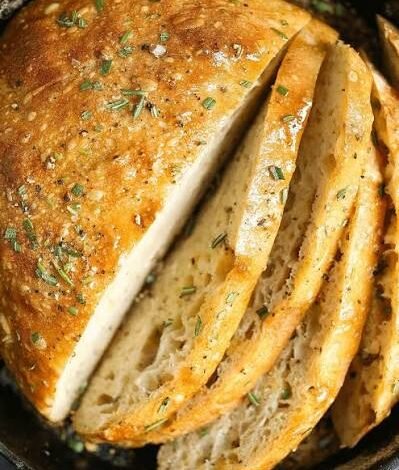
Making fresh bread at home is one of the most rewarding kitchen experiences you can ever have. When you bake this rustic rosemary loaf, your whole house will fill with an incredible earthy scent that feels warm, welcoming, and deeply comforting. This specific recipe focuses on using up your extra sourdough discard while keeping the entire baking process as simple as possible for home cooks of any skill level. You do not need any special baking skills, nor do you need to spend hours pulling, folding, or kneading heavy dough on your counter. By combining basic kitchen ingredients like flour, water, salt, yeast, fresh rosemary, and sourdough discard, you can create a bakery quality loaf with a crispy golden crust and a soft, flavorful interior without any unnecessary stress or messy cleanup.
Many people fall in love with this recipe because it solves a very common problem that every sourdough baker faces on a weekly basis. Whenever you feed your active sourdough starter, you usually have to throw away a good portion of the unused starter, which can feel like a huge waste of perfectly good flour and time. Using that extra starter in this no knead bread recipe gives your loaf an amazing depth of flavor that simple yeast bread just cannot match. The subtle tangy taste from the fermented discard blends seamlessly with the bold piney flavor of fragrant fresh rosemary, creating a delightful taste contrast that satisfies both simple cravings and sophisticated palates. It is an ideal way to turn everyday kitchen waste into a stunning center piece for your dining table.
You will find that this bread fits perfectly into almost any routine, whether you are preparing a quick family meal or looking for a relaxing weekend baking project. Freshly baked artisan style bread provides a wonderful emotional comfort after a long busy day, bringing people together around the table to share warm slices covered in olive oil or jam. From a wellness perspective, making your own food at home gives you complete control over every single thing you put into your body. Because this loaf contains zero eggs, zero butter, and no artificial preservatives, it remains light, wholesome, and completely plant based. It offers all the rich comforting satisfaction of traditional bakery bread without any heavy fats or unnecessary additives that might leave you feeling weighed down.
Baking this loaf is also a fantastic way to build confidence if you are complete beginner who feels intimidated by traditional yeast recipes. Conventional bread making often requires strict timing, intense physical effort, and precise techniques that can easily fail if the room temperature or dough hydration is slightly off. In contrast, this no knead sourdough discard bread relies on a long, slow rest period where time does the heavy physical work for you. The gluten networks form naturally as the moisture hydrates the flour over several hours, leaving you with a light, airy loaf that boasts a wonderfully open crumb. It is a foolproof, reliable method that delivers fantastic results every single time, making it a go to favorite for busy parents, working professionals, and novice bakers alike.
Ingredients You Will Need
-
Three cups of all purpose flour or unbleached bread flour
-
One cup of sourdough discard at room temperature
-
One and one half cups of warm water
-
One teaspoon of instant active dry yeast
-
One and one half teaspoons of fine sea salt
-
Two tablespoons of fresh rosemary chopped very fine
-
Two tablespoons of extra virgin olive oil for coating
-
One extra tablespoon of coarse sea salt for sprinkling on top
Step by Step Method
Start by gathering all of your ingredients and placing them on your kitchen counter so everything is ready to use. Take a large glass or ceramic mixing bowl and pour in the warm water, instant active dry yeast, and your sourdough discard. Use a wooden spoon or a silicone spatula to stir these liquid ingredients together until the sourdough discard dissolves and the mixture looks smooth and slightly cloudy.
Next, add the flour, fine sea salt, and finely chopped fresh rosemary directly into the bowl with the liquid mixture. Use your wooden spoon to mix everything together until a shaggy, wet dough starts to form and no dry flour remains at the bottom of the bowl. Do not worry if the dough looks rough or sticky at this stage, because you do not need to knead it at all.
Cover the mixing bowl tightly with plastic wrap or a clean damp kitchen towel to keep the moisture inside. Place the covered bowl in a warm, draft free spot in your kitchen and let it rest undisturbed for about two to three hours. During this resting time, the yeast and sourdough discard will work together to make the dough rise, expand in volume, and develop small air bubbles across the surface.
Once the resting time is complete and the dough has roughly doubled in size, place a heavy cast iron Dutch oven with its lid onto the middle rack of your cold oven. Turn your oven temperature up to four hundred and fifty degrees Fahrenheit so the heavy pot heats up thoroughly. Heating the pot before adding the dough is the secret trick to getting a super crispy bakery crust.
While your oven and Dutch oven are preheating, lightly flour a large piece of parchment paper on your counter. Carefully scrape the sticky dough out of your mixing bowl and onto the floured parchment paper. Dust your hands with a little bit of flour, then gently fold the edges of the dough under itself to form a round, smooth ball.
Drizzle the top of your dough ball with the extra virgin olive oil, then sprinkle the coarse sea salt and a few extra fresh rosemary leaves over the top. Cover the dough loosely with a towel and let it rest on the parchment paper for about twenty minutes while the oven finishes preheating to its full temperature.
Carefully remove the hot Dutch oven from your main oven using thick oven mitts and set it on a heat safe surface. Lift the parchment paper by its corners with the dough ball sitting on top, and carefully lower it directly inside the hot Dutch oven. Put the lid back on the pot and place it inside your hot oven.
Bake the bread with the lid on for thirty minutes. The trapped steam inside the closed pot will help the bread expand fully while keeping the crust soft enough to rise maximum height. After thirty minutes, carefully remove the lid and continue baking for another fifteen to twenty minutes until the crust turns a rich golden brown color and feels firm to the touch.
Once the baking time is finished, carefully lift the bread out of the hot Dutch oven using the parchment paper edges and place it on a wire cooling rack. Allow the loaf to cool down completely for at least one hour before slicing into it with a sharp serrated bread knife. Slicing too early while the bread is still steaming hot inside can make the interior texture gummy, so patience will give you the absolute best slice.
Why This Recipe Is Special
This simple rustic loaf stands out because it combines incredible convenience with rich artisan flavor without demanding hours of your attention. By eliminating the need for eggs and butter, the recipe stays completely plant based, making it suitable for vegan diets and individuals with dairy or egg allergies. Skipping heavy dairy products allows the pure natural flavor of the fermented wheat and fragrant rosemary to shine brightly without being hidden by fats.
From a health perspective, using sourdough discard offers great digestive benefits that regular quick breads simply do not provide. Even though this recipe uses a small amount of baker yeast to ensure a reliable rise, the sourdough discard has already undergone a fermentation process that breaks down tough starches and gluten structures. This long breakdown makes the finished bread much easier on your stomach and allows your body to absorb essential nutrients more effectively.
Another huge benefit of this recipe is its high cost effectiveness and zero waste philosophy. Instead of tossing out your extra sourdough starter every time you refresh your jar, you turn that unused ingredient into a high quality loaf that would cost six to eight dollars at a local bakery. You save money while simultaneously improving your cooking skills and eliminating food waste in your household.
Extra Tips for Better Taste
To elevate the overall flavor profile of your loaf, try roasting the fresh rosemary in a small pan with a drop of olive oil before mixing it into your flour. Roasting unlocks the rich essential oils inside the herb, imparting a deeper savory aroma throughout the crumb. You can also mix in half a cup of shredded vegan cheese or crushed garlic cloves into the dough during the initial mixing step for an extra layer of savory goodness.
Pay close attention to your water temperature when mixing the initial dough. Water that is too hot can kill the beneficial yeast, while water that is too cold will slow down the rising process significantly. Aim for warm water that feels comfortable on the back of your wrist, similar to a cozy bath, which gives the yeast the perfect cozy environment to thrive quickly.
If you love an exceptionally crunchy outer crust, try placing two or three ice cubes underneath the parchment paper inside the hot Dutch oven right before you put the lid on and slide it into the oven. The ice cubes melt instantly into concentrated steam, creating a glossy, crackly crust that rivals the finest European bakeries.
Final Thoughts
Baking a fresh loaf of rustic rosemary bread using your extra sourdough discard is a deeply satisfying process that proves you do not need complicated techniques or long ingredient lists to create amazing food. With just a few basic steps and a bit of patience, you can turn humble kitchen staples into a glorious loaf with a golden crust and a soft fragrant center. Share a slice with your family, serve it alongside a warm bowl of soup, or simply enjoy it warm with a drizzle of good olive oil. Enjoy every single bite of your homemade creation!
Nutrition Details
Here is the estimated nutritional breakdown for this rustic sourdough discard rosemary bread. Please note that these values are approximations based on standard ingredient measurements and may vary slightly depending on the specific brands of flour and oil you choose to use in your home kitchen.
Recipe Yield and Serving Information
-
Total Servings per Loaf: Ten Slices
-
Serving Size: One Slice
Nutritional Value Per Serving
-
Calories: One hundred and eighty calories
-
Total Fat: Three grams
-
Saturated Fat: Zero point five grams
-
Trans Fat: Zero grams
-
Cholesterol: Zero milligrams
-
Sodium: Three hundred and eighty milligrams
-
Total Carbohydrates: Thirty four grams
-
Dietary Fiber: Two grams
-
Total Sugars: Zero point five grams
-
Protein: Five grams
-
Calcium: Fifteen milligrams
-
Iron: Two milligrams
-
Potassium: Fifty milligrams
Disclaimer
Everyone’s body is different, and individual nutritional needs or digestive responses may change based on your unique health profile, dietary restrictions, and activity levels. The nutritional information provided in this article is meant for general educational and informational purposes only and should not be taken as medical or dietary advice. If you have specific health conditions, severe gluten sensitivities, or special dietary requirements, please consult with a qualified health professional or a registered dietitian before introducing new foods into your daily routine.


One Comment