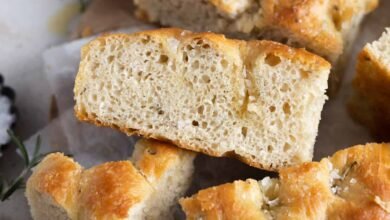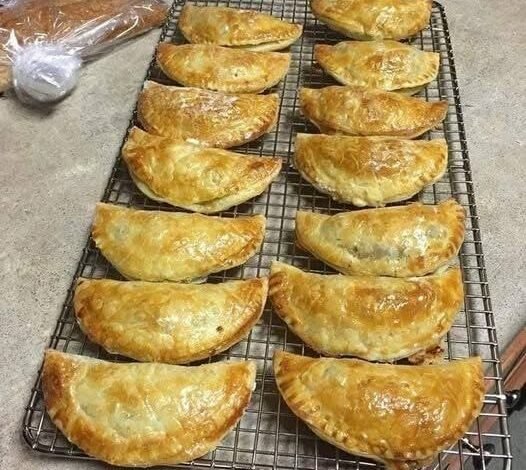
Baking homemade sourdough empanadas is one of the most rewarding kitchen projects you can try today. This wonderful recipe takes the classic hand pie that millions of people enjoy around the world and gives it a tangy, flaky, and deeply flavorful sourdough twist. Whether you have an active sourdough starter bubbling on your kitchen counter or a jar of sourdough discard waiting in the fridge, this recipe helps you turn simple pantry staples into golden pockets of pure joy. You get a tender, crisp crust that holds a warm, savory filling of seasoned beef, tender potatoes, sweet onions, and aromatic spices. Unlike store bought pastries that often taste flat or feel too heavy, homemade sourdough empanadas bring a rich bakery quality right to your own dining table. Even if you have never worked with sourdough pastry dough before, you will find that this method is forgiving, fun, and easy to follow from start to finish. Every bite offers a delightful contrast between the flaky, buttery outside and the juicy, flavorful inside. Once you pull a tray of these warm hand pies out of the oven, the smell of toasted sourdough and savory spices will fill your entire home with comfort.
People everywhere fall in love with sourdough empanadas because they hit every single note that makes food truly memorable. First, the texture of the dough is simply unmatched compared to standard flour and water pastry crusts. The natural fermentation from the sourdough starter creates tiny air pockets in the dough, resulting in a crust that is both crispy on the outside and tender on the inside. Second, the subtle tangy flavor of sourdough cuts right through the richness of the butter and the savory meat filling, making every bite feel balanced and fresh rather than greasy. People also love how versatile and portable these little pockets are, because you do not need a fork, a knife, or even a plate to enjoy them cleanly. You can pack them into a lunchbox for work, bring them along on a weekend road trip, or serve them on a big platter at a family party. Kids adore holding their own personal pie in their hands, while adults appreciate the complex, artisan taste that only real sourdough fermentation can provide.
There are so many great reasons to make a batch of sourdough empanadas, whether you are cooking for emotional comfort, amazing taste, or smart fitness goals. On days when life feels stressful or overwhelming, working with dough with your own hands offers a calming, mindful break away from screens and busy schedules. Rolling out the pastry, spooning in the warm filling, and crimping the edges brings a deep sense of warmth and nostalgia, reminding us of home cooking and family traditions. From a flavor standpoint, making these at home lets you control every spice and herb, giving you a fresh, vibrant meal that beats any frozen snack or fast food option. Furthermore, from a fitness and wellness perspective, sourdough fermentation naturally breaks down some of the starches and phytic acid in wheat flour, which makes the crust much easier for your stomach to digest. You can also load the filling with lean protein, colorful vegetables, and healthy fats, turning a delicious comfort food into a balanced, energizing meal that fuels your body without leaving you feeling sluggish.
Finally, making sourdough empanadas is a fantastic way to reduce kitchen waste while creating something truly special for the people you care about. Every sourdough baker knows the feeling of having extra starter or discard sitting in the refrigerator, and this recipe gives that extra starter a delicious purpose. Instead of throwing away valuable fermented flour and water, you transform it into a golden, flaky pastry shell that tastes like it came from an artisan bakery. You can make a big batch on a lazy Sunday afternoon and freeze half of them for busy weeknights when you need a quick, wholesome dinner in minutes. Sharing a warm basket of homemade empanadas with friends, neighbors, or family members creates instant connection and happiness around the table. No matter what your skill level is in the kitchen, this recipe welcomes you with clear steps, everyday ingredients, and reliable results that will make you proud of what you baked. Let us gather our ingredients and get started on making the best sourdough empanadas you have ever tasted.
Ingredients You Will Need
To make this recipe smooth and stress free, gather all your ingredients on the kitchen counter before you begin. Measuring everything ahead of time ensures you do not miss anything while mixing your dough or cooking your filling. This recipe makes about 12 medium sized empanadas, which is perfect for sharing with family or saving for quick lunches throughout the week.
For the Sourdough Empanada Dough
-
3 cups (360 grams) all purpose flour, plus a little extra for dusting your work surface
-
1 teaspoon fine sea salt
-
1 cup (226 grams) unsalted butter, very cold and cut into small cubes
-
1/2 cup (120 grams) sourdough starter or sourdough discard, straight from the refrigerator
-
1/3 cup (80 milliliters) ice cold water, plus 1 or 2 extra tablespoons only if the dough feels too dry
-
1 large egg yolk, beaten with 1 tablespoon of cold water (this is for the shiny egg wash on top)
For the Classic Savory Beef and Potato Filling
-
2 tablespoons olive oil or avocado oil
-
1 medium yellow onion, finely diced into small pieces
-
1 medium red bell pepper, seeds removed and finely diced
-
3 cloves fresh garlic, minced or finely grated
-
1 pound (450 grams) lean ground beef (85 percent lean works best for flavor and moisture)
-
1 medium Yukon gold potato, peeled and diced into very small cubes (about 1/4 inch size)
-
1 teaspoon ground cumin
-
1 teaspoon sweet smoked paprika
-
1/2 teaspoon dried oregano
-
1/4 teaspoon cayenne pepper or chili powder (optional, for a gentle touch of warmth)
-
1 teaspoon fine sea salt, or more to taste
-
1/2 teaspoon freshly ground black pepper
-
1/2 cup (120 milliliters) beef broth or vegetable broth
-
1/3 cup (50 grams) green olives, pitted and finely chopped (optional, for a traditional tangy pop)
-
2 large hard boiled eggs, peeled and chopped into small bits (optional, for authentic texture)
-
1/4 cup fresh cilantro or flat leaf parsley, finely chopped
Step by Step Method
Follow these simple, detailed steps carefully. Taking your time with each stage guarantees a flaky crust and a rich, juicy filling that never leaks while baking.
Step 1: Mix the Dry Ingredients and Cut in the Butter
Start by grabbing a large mixing bowl. Add your 3 cups of all purpose flour and 1 teaspoon of fine sea salt into the bowl, and whisk them together for a few seconds so the salt spreads evenly through the flour. Take your cold, cubed butter out of the refrigerator and drop the cubes into the flour mixture. Using a pastry cutter, a fork, or just your fingertips, press and rub the butter into the flour. Keep working until the mixture looks like coarse crumbs with plenty of pea sized pieces of butter still visible. Leaving those little chunks of cold butter intact is the secret to getting super flaky layers when the empanadas bake in the hot oven.
Step 2: Add the Sourdough Starter and Cold Water
Make a small well in the center of your flour and butter mixture. Pour in the 1/2 cup of cold sourdough starter or discard along with 1/3 cup of ice cold water. Use a sturdy wooden spoon or a silicone spatula to gently stir everything together until shaggy clumps begin to form. Once the dough starts coming together, use your clean hands to gently press and fold the dough inside the bowl until no dry flour remains at the bottom. If the dough feels crumbly and will not hold together when squeezed, add 1 tablespoon of ice cold water at a time until it forms a cohesive ball. Be careful not to overwork or knead the dough too hard, because keeping it gentle keeps the pastry tender.
Step 3: Chill the Sourdough Dough
Turn the dough out onto a clean counter and shape it into a flat, thick disk about 1 inch tall. Wrap the disk tightly in plastic wrap or place it inside a reusable silicone bag. Put the wrapped dough into the refrigerator for at least 1 hour, or up to 24 hours if you want a deeper sourdough flavor and extra fermentation benefits. Chilling the dough relaxes the flour gluten so it rolls out easily without shrinking back, and it firms up the butter so it does not melt before hitting the oven.
Step 4: Cook the Aromatics and Ground Beef
While the dough chills in the fridge, prepare your savory filling so it has plenty of time to cool down. Place a large skillet over medium heat and add the 2 tablespoons of olive oil. Once the oil shimmers, add the diced yellow onion and diced red bell pepper. Cook them for about 5 to 6 minutes, stirring occasionally, until the onions turn soft and translucent. Add the minced garlic and stir for just 30 seconds until it smells wonderful. Next, add the 1 pound of lean ground beef to the skillet. Break the meat apart with a wooden spoon and cook for about 6 to 8 minutes until it is browned all over with no pink spots remaining.
Step 5: Simmer the Potatoes and Spices
Now add the tiny diced potato cubes directly into the skillet with the cooked beef and vegetables. Sprinkle in the ground cumin, sweet smoked paprika, dried oregano, cayenne pepper, sea salt, and black pepper. Stir everything well so the spices coat every piece of meat and potato. Pour in the 1/2 cup of beef broth and bring the mixture to a gentle simmer. Lower the heat to medium low, cover the skillet with a lid, and let it cook for about 10 to 12 minutes. Check the potatoes with a fork to make sure they are completely tender and most of the liquid has absorbed.
Step 6: Finish and Cool the Filling Completely
Remove the skillet from the heat and take off the lid. Stir in the chopped green olives, chopped hard boiled eggs, and fresh chopped cilantro or parsley. Taste a small spoonful of the filling and add a pinch more salt or pepper if needed. Spread the finished filling out onto a wide plate or shallow baking dish so it cools down to room temperature quickly. This is a very important rule: never put hot filling onto cold pastry dough, because warm filling will melt the butter in the dough and make your empanadas soggy instead of crisp and flaky.
Step 7: Preheat the Oven and Roll Out the Dough
When your filling is completely cool, preheat your oven to 400 degrees Fahrenheit (200 degrees Celsius). Line a large baking sheet with parchment paper so the empanadas will not stick. Take your chilled sourdough dough out of the refrigerator and let it sit on the counter for 5 minutes so it is easy to roll without cracking. Lightly dust your work surface and rolling pin with all purpose flour. Roll the dough out evenly until it is about 1/8 inch thick. Use a round cutter, a small bowl, or a wide mug (about 5 to 6 inches across) to cut out circles from the dough. Gather any leftover dough scraps, press them together gently, chill for 10 minutes if needed, and roll them out again to cut more circles until all the dough is used.
Step 8: Fill, Fold, and Crimp the Empanadas
Place one dough circle flat on your work surface. Spoon about 2 to 3 tablespoons of the cooled beef and potato filling right into the center of the circle, leaving a clean 1/2 inch border all around the edge. Dip your finger into a small bowl of water and lightly moisten the outer edge of the dough circle so it acts like glue. Fold the dough in half over the filling to create a neat half moon shape. Press the edges firmly together with your fingertips to seal the pocket and push out any trapped air pockets. To give your empanadas a classic, pretty finish, press the edges down firmly with the tines of a fork, or fold and pinch the edge over itself in a rope twist pattern all the way around.
Step 9: Brush with Egg Wash and Bake Until Golden
Arrange your sealed empanadas on the parchment lined baking sheet, leaving about 1 inch of space between each one so hot air can circulate freely. Use a pastry brush to lightly coat the tops of each empanada with the beaten egg yolk and water mixture. This simple step gives the baked crust a gorgeous, glossy golden brown shine. Use the tip of a sharp knife or a toothpick to poke one tiny steam vent hole in the top center of each empanada so steam can escape gently without bursting the seams. Bake in the preheated oven for 22 to 26 minutes, rotating the pan halfway through, until the crusts are deeply golden brown and crisp. Let them cool on the baking sheet for 10 minutes before serving so the hot filling inside settles nicely.
Why This Recipe Is Special
There are plenty of empanada recipes on the internet, yet this sourdough version stands apart for several wonderful reasons that affect both your taste buds and your overall wellbeing. Understanding what makes this dough unique will help you appreciate every single bite even more.
Superior Flavor and Artisan Texture
Traditional empanada dough uses plain flour, fat, and water, which creates a good crust, yet it lacks depth of character. When you add sourdough starter to the mix, natural wild yeast and beneficial lactic acid bacteria go to work on the flour. Even during a short rest in the fridge, these natural cultures develop subtle notes of tangy buttermilk and toasted wheat. When baked, the sourdough crust puffs up into delicate, crisp layers that shatter gently when you bite into them, giving way to a soft, tender interior that holds the juicy filling without getting mushy.
Easier Digestion Through Fermentation
Many people find that heavy pastries leave them feeling bloated or uncomfortable after eating. Because this recipe uses fermented sourdough starter, the natural microbes begin breaking down complex starches and proteins in the wheat flour before you even bake the dough. Fermentation also lowers levels of phytic acid, a natural compound in grains that can block your body from absorbing helpful minerals like iron, zinc, and magnesium. If you let your dough rest in the refrigerator overnight, this gentle fermentation goes even further, creating a crust that feels lighter on your stomach and easier for your body to process.
Balanced Nutrition in Every Hand Held Pocket
Another reason this recipe shines is its wonderful nutritional balance. Instead of serving empty carbohydrates, each sourdough empanada packs quality protein from lean beef and eggs, slow burning energy from tender potatoes, and vitamins and antioxidants from onions, bell peppers, garlic, and fresh herbs. Because every ingredient is cooked from scratch using real whole foods, you avoid artificial preservatives, hydrogenated oils, and excess sodium found in store bought frozen turnovers. It is comfort food you can genuinely feel good about feeding to yourself and your loved ones.
Zero Waste Kitchen Sustainability
If you keep a sourdough starter at home, you know how frustrating it feels to discard half of your jar every time you feed it. This recipe solves that problem effortlessly by turning sourdough discard into a star ingredient. Whether your starter is freshly fed and bubbly or straight out of the cold fridge after sitting for several days, it works seamlessly in this pastry dough. You save money, reduce food waste, and turn simple pantry staples into a meal that feels celebratory.
Extra Tips for Better Taste
Once you master the basic recipe, you can easily customize and elevate your sourdough empanadas to suit your personal cravings. Here are several creative, practical tips to make your next batch even more delicious.
Explore Different Savory and Sweet Fillings
While the classic spiced beef and potato filling is a crowd pleaser, this sourdough crust pairs wonderfully with almost any filling you can imagine. For a lighter poultry option, swap the ground beef for shredded rotisserie chicken mixed with sautéed onions, sweet corn, cream cheese, and mild green chilies. If you want a vegetarian feast, fill the pastry circles with roasted sweet potatoes, black beans, caramelized onions, and crumbled feta or sharp cheddar cheese. You can even turn this dough into a sweet dessert by filling the circles with spiced cinnamon apples, fresh berries with a touch of honey, or dulce de leche, then sprinkling coarse sugar on top before baking.
Add Extra Flavor Directly Into the Dough
Do not hesitate to season your pastry dough itself to match whatever filling you choose. Try whisking 1/2 teaspoon of smoked paprika, garlic powder, or dried oregano directly into the dry flour before cutting in the butter. Adding a pinch of turmeric gives the baked crust a warm, golden hue and an earthy aroma. If you are making cheese or vegetable empanadas, folding 2 tablespoons of finely grated Parmesan cheese into the flour mixture creates an extra savory, crispy crust that tastes incredible.
Master the Cold Butter Technique
The biggest secret behind an unforgettable, flaky empanada crust is keeping your ingredients as cold as possible until the pan enters the oven. If your kitchen is very warm or your hands tend to run hot, place your cubed butter in the freezer for 10 minutes before mixing it into the flour. You can also chill your mixing bowl beforehand and use ice cubes in your measuring cup of water. If you ever notice the dough feeling soft or sticky while rolling it out, simply slide the dough onto a plate and chill it in the fridge for 10 minutes before continuing. Cold fat creates steam pockets in the hot oven, and steam is what creates flaky layers.
Serve With Bright, Fresh Dipping Sauces
While warm sourdough empanadas taste amazing all on their own, serving them alongside a bright, zesty dipping sauce takes the eating experience to another level. Classic chimichurri made from fresh parsley, cilantro, garlic, olive oil, and red wine vinegar adds a vibrant herbal punch that cuts right through the rich beef filling. You can also whip up a quick creamy cilantro lime sauce using plain Greek yogurt, lime juice, garlic, and fresh herbs for a cool, tangy contrast. A simple fresh tomato salsa with diced onions and jalapeños also makes a wonderful companion on the dinner table.
Make Ahead and Freeze for Busy Days
Sourdough empanadas are one of the very best freezer meals you can keep on hand. To freeze them before baking, assemble and crimp the empanadas as usual, then place them in a single layer on a parchment lined tray. Put the tray in the freezer for 2 hours until the empanadas are solid, then transfer them into a sealed freezer bag for up to 3 months. When you are ready to eat, place the frozen empanadas directly onto a baking sheet, brush them with fresh egg wash, and bake at 400 degrees Fahrenheit (200 degrees Celsius) for 28 to 32 minutes until golden brown and piping hot inside.
Final Thoughts
Learning how to make homemade sourdough empanadas is a joyful kitchen skill that you will come back to again and again. From the satisfying crunch of the flaky, golden sourdough crust to the warm, deeply seasoned beef and potato filling inside, every bite feels like a warm hug made from scratch. Even if your very first batch has a few imperfect crimps or slightly uneven edges, those rustic little details only prove that your food was made with real care and love. Put on your favorite music, take your time rolling out the dough, and enjoy the simple pleasure of baking something truly wonderful for yourself and the people around your table.
Nutrition Details
The nutritional values below are estimates calculated for this complete recipe (making 12 medium sourdough empanadas) and for a single serving of 1 empanada. Exact numbers may vary slightly depending on the specific brands of ingredients you use and whether you include optional items like olives or chopped eggs.
| Nutrient | Full Recipe (12 Empanadas) | Per Serving (1 Empanada) |
| Calories | 4,320 kcal | 360 kcal |
| Total Carbohydrates | 384 grams | 32 grams |
| Dietary Fiber | 24 grams | 2 grams |
| Total Sugars | 24 grams | 2 grams |
| Protein | 168 grams | 14 grams |
| Total Fat | 228 grams | 19 grams |
| Saturated Fat | 120 grams | 10 grams |
| Cholesterol | 660 milligrams | 55 milligrams |
| Sodium | 4,680 milligrams | 390 milligrams |
| Potassium | 3,120 milligrams | 260 milligrams |
| Iron | 28.8 milligrams | 2.4 milligrams |
Disclaimer
The nutritional details, health notes, and ingredient suggestions shared in this article are provided for general educational and informational purposes only. Every person has a unique body, metabolism, digestive system, and set of dietary needs, so individual experiences and results may vary. If you have specific food allergies, gluten sensitivities, medical conditions, or personalized nutrition goals, please consult a qualified healthcare professional or registered dietitian before making changes to your diet.